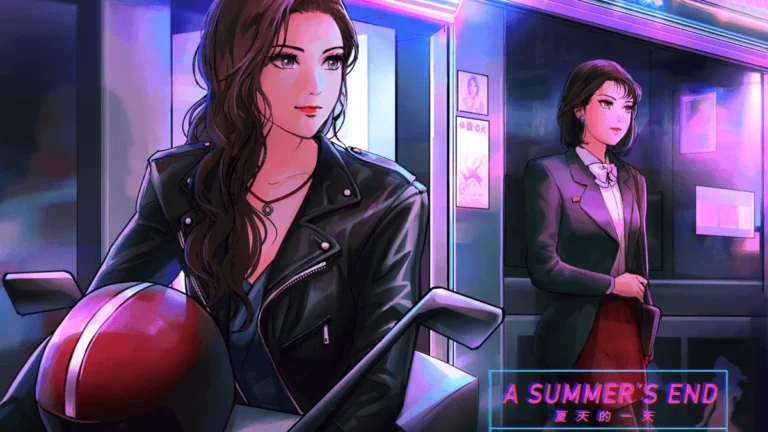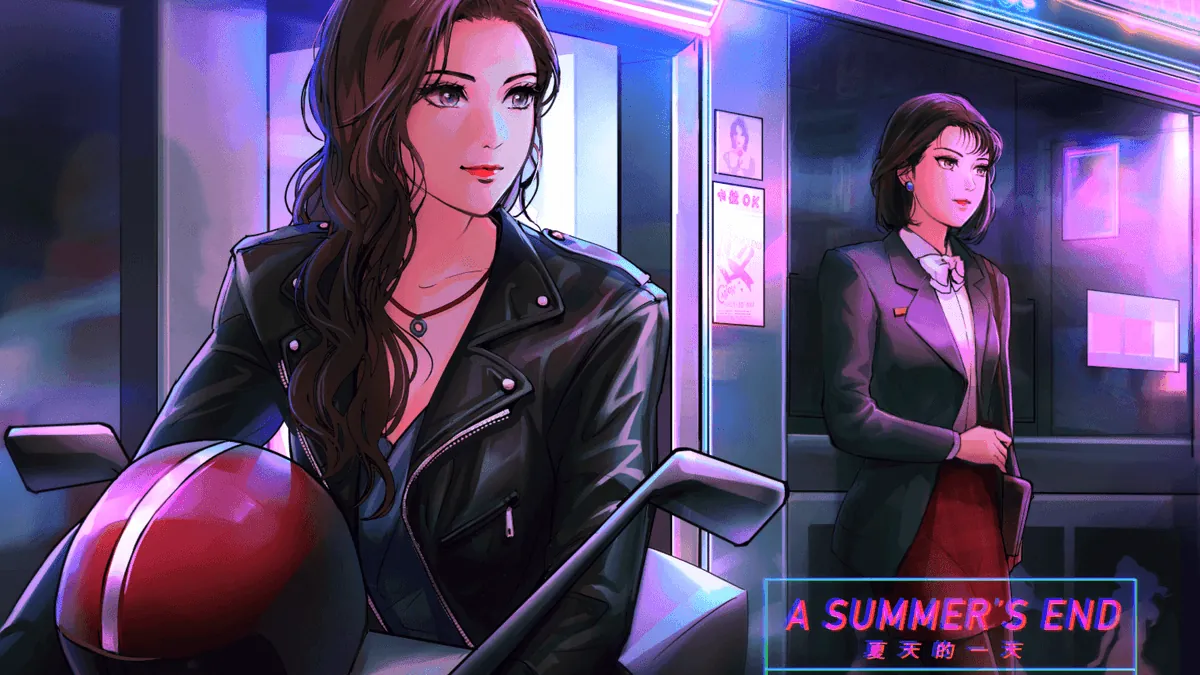
A Summer’s End – Hong Kong, 1986
Play A Summer’s End – Hong Kong, 1986
A Summer’s End – Hong Kong, 1986 Screenshots







A Summer’s End – Hong Kong, 1986 review
Exploring the Story, Setting, and Unique Features of A Summer’s End – Hong Kong, 1986
A Summer’s End – Hong Kong, 1986 is a captivating visual novel that transports players to the vibrant streets of 1980s Hong Kong. Centered around the evolving relationship between Michelle and Sam, this game combines rich storytelling with detailed hand-drawn art and an evocative soundtrack. Fans of narrative-driven games will appreciate its nuanced portrayal of identity, culture, and romance set against a nostalgic backdrop. This article dives deep into what makes A Summer’s End – Hong Kong, 1986 a unique and memorable experience.
Unpacking the Story and Characters of A Summer’s End – Hong Kong, 1986
Stepping into A Summer’s End – Hong Kong, 1986 feels less like launching a game and more like opening a carefully preserved photo album from a time and place on the cusp of monumental change. 🏙️✨ This isn’t just a love story; it’s a poignant, beautifully rendered snapshot of a specific moment in history, filtered through the lives of two compelling women. If you’ve ever wondered about the visual novel story themes that can weave personal intimacy with grand historical narrative, this game is a masterclass.
At its heart, the experience is defined by its authentic characters and the fragile, growing connection between them. Let’s pull up a chair at the Lan Kwai Fong bar and get to know the people who make this story so unforgettable.
Who Are Michelle and Sam? Exploring the Protagonists
The magic of this visual novel lives and breathes through its two leads. Michelle and Sam aren’t archetypes; they feel like people you could have known, each carrying the weight of their world into their chance meeting.
Michelle is a career-driven office worker for a trading company. Pragmatic, reserved, and acutely aware of her family’s expectations, she represents a very specific path for a young woman in 80s Hong Kong society. Her life is ordered, perhaps a little lonely, and defined by duty. Sam, in contrast, is a free-spirited hairdresser from Kowloon. She’s openly queer, artistic, and lives with a vibrant authenticity that both attracts and unnerves Michelle. Sam challenges the status quo simply by existing as her true self.
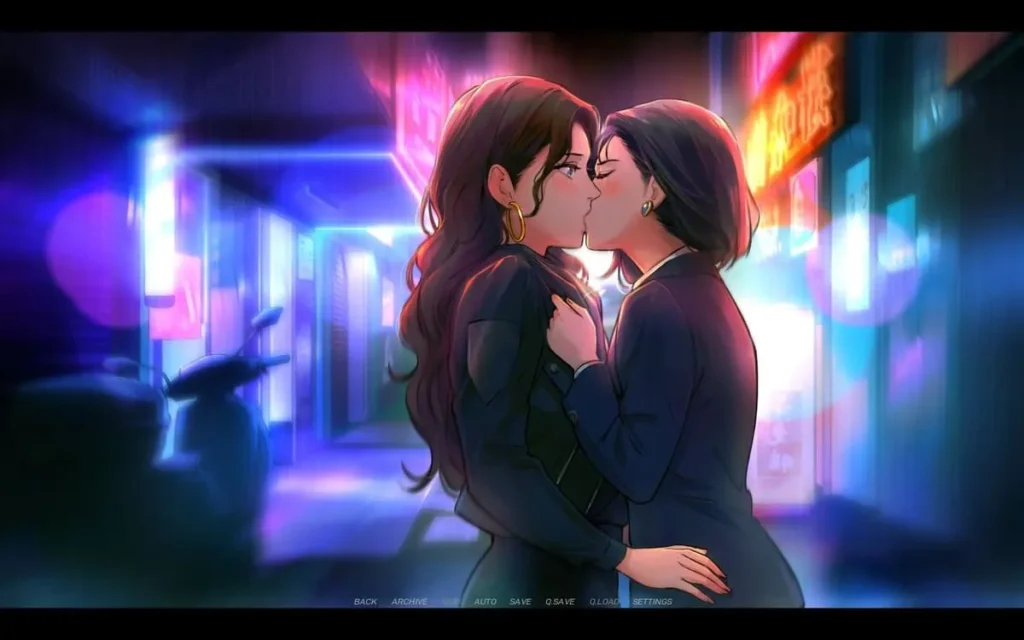
Their relationship begins as a tentative, sparks-flying connection that blooms over a single humid summer. The beauty lies in the nuance. It’s not just a romance; it’s a clash of worlds, perspectives, and personal histories. Michelle’s journey is one of shedding inhibition and confronting her own desires, while Sam’s is about patience, vulnerability, and deciding how much of her heart to risk. The development of the Michelle and Sam relationship is the slow, believable burn that anchors the entire narrative.
To better understand the dynamic cast of A Summer’s End Hong Kong 1986 characters, here’s a closer look at the key figures:
| Character | Key Traits | Role in the Story |
|---|---|---|
| Michelle | Reserved, dutiful, career-focused, internally conflicted | The protagonist; her journey of self-discovery drives the narrative. She embodies the tension between tradition and personal desire. |
| Sam | Artistic, confident, openly queer, emotionally perceptive | The catalyst for change; her presence and authenticity challenge Michelle’s worldview and offer a new possibility for life and love. |
| Joey (Michelle’s younger brother) | Playful, observant, modern, accepting | A crucial supporting role; he represents the younger, more progressive generation and often provides emotional support and a bridge for Michelle. |
Joey, in particular, is a brilliantly written element of the family dynamics visual novel fans will appreciate. He’s not a source of drama, but a source of warmth and subtle support, showing that family can sometimes be a sanctuary rather than just a source of pressure.
Themes of Identity and Love in 1980s Hong Kong
This game is so much more than its central romance. It’s a thoughtful exploration of identity in 1980s Hong Kong, a city caught between its colonial past and an uncertain future. The year 1986 is not a random setting; it’s a character in itself. The looming 1997 handover casts a subtle shadow, creating a parallel between the city’s search for its future and Michelle’s search for her true self. 🎆
The visual novel story themes expertly intertwine the personal and political. Michelle’s struggle with her queer identity mirrors Hong Kong’s own complex identity—neither fully one thing nor the other, navigating external expectations and internal truth. The game asks: How do you carve out a space for an authentic life when society, family, and even the political landscape seem to dictate your path?
The game’s greatest strength is how it treats this tension with realism, not melodrama. The conflict isn’t sensationalized; it’s felt in quiet moments of hesitation, in a mother’s well-intentioned questions about marriage, and in the choice between a “safe” future and an uncertain, but genuine, one.
This respectful handling extends to the depiction of queer love. Sam and Michelle’s relationship is portrayed with a tender, matter-of-fact realism that focuses on emotional connection and the universal nerves of new love, making their story deeply relatable regardless of the player’s own background.
The Role of Supporting Characters and Narrative Choices
While Michelle and Sam shine, the world around them gives their story depth and stakes. Michelle’s family, especially her mother, is ever-present. These family dynamics aren’t portrayed as villainous, but as a deeply ingrained system of love and expectation. This nuance makes Michelle’s internal conflict more powerful—she isn’t rebelling against monsters, but against a lifetime of conditioning and a fear of disappointing those she loves. 👨👩👧👦
This is where your agency as a player comes in. The narrative choices in A Summer’s End are subtle yet profoundly impactful. You won’t be making grand, life-or-death decisions every five minutes. Instead, you guide Michelle through small, authentic moments: Does she open up to Sam or deflect? How does she respond to her brother’s probing? Does she indulge a daydream or focus on her work?
These choices accumulate quietly, steering Michelle’s confidence and self-awareness. They determine whether she leans into her fears or her courage. This elegant system culminates in the game’s two primary endings, which is where an A Summer’s End endings explained section becomes so satisfying (without spoilers!).
The endings aren’t about “good” or “bad,” but about alignment and authenticity. One path reflects a choice to prioritize external stability and conform to societal pressures, leading to a poignant, bittersweet conclusion. The other embraces the risk of an authentic life and love, leading to a hopeful, albeit uncertain, future. The genius is that both feel emotionally true and earned based on your journey. Understanding these conclusions provides a powerful reflection on the themes of sacrifice, bravery, and the cost of living for others versus living for oneself.
Ultimately, A Summer’s End – Hong Kong, 1986 stays with you not because of dramatic plot twists, but because of its profound humanity. It gives us two beautifully realized characters in Michelle and Sam, grounds their personal struggles in a richly evoked historical moment, and reminds us that the most compelling stories are often about the quiet revolution of choosing who you want to be. It’s a timeless summer captured in pixels and prose, waiting to be experienced. 💖
A Summer’s End – Hong Kong, 1986 stands out as a beautifully crafted visual novel that combines a heartfelt romance with a vivid depiction of 1980s Hong Kong culture. Its rich storytelling, nuanced characters, and atmospheric art and music create an immersive experience that resonates with players seeking meaningful narratives. Whether you are drawn to its emotional depth or its nostalgic setting, this game offers a memorable journey worth exploring. Dive into the story and discover the layers that make this title a unique gem in the visual novel genre.