Grandma’s House
Play Grandma’s House
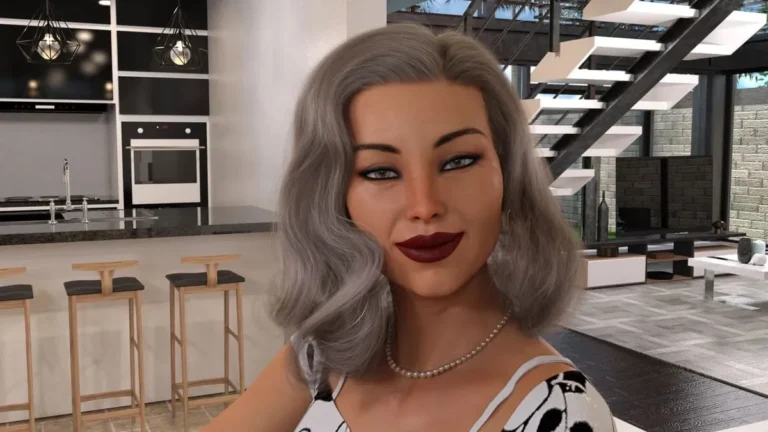
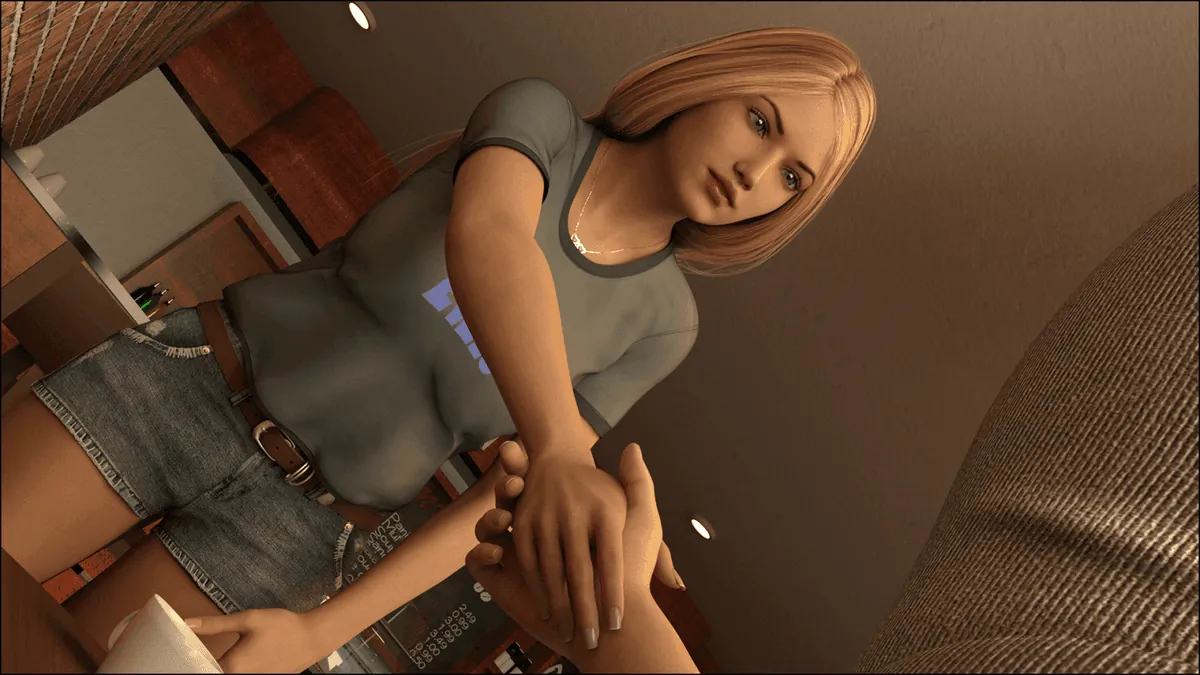
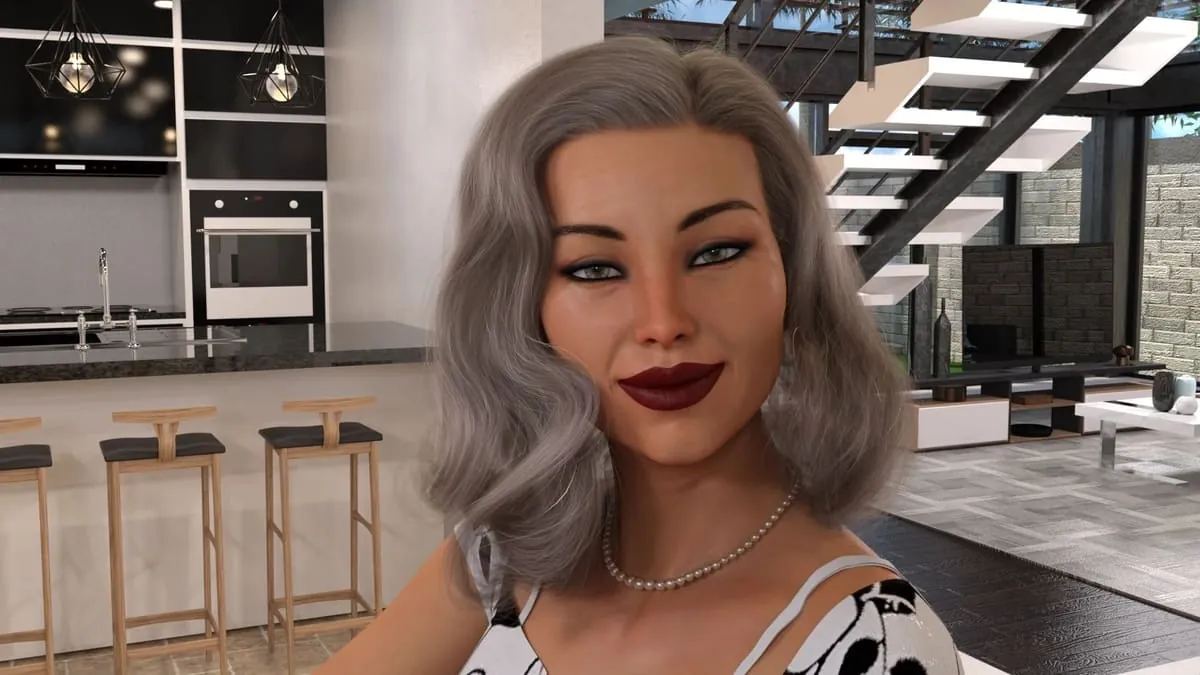
Grandma’s House Screenshots
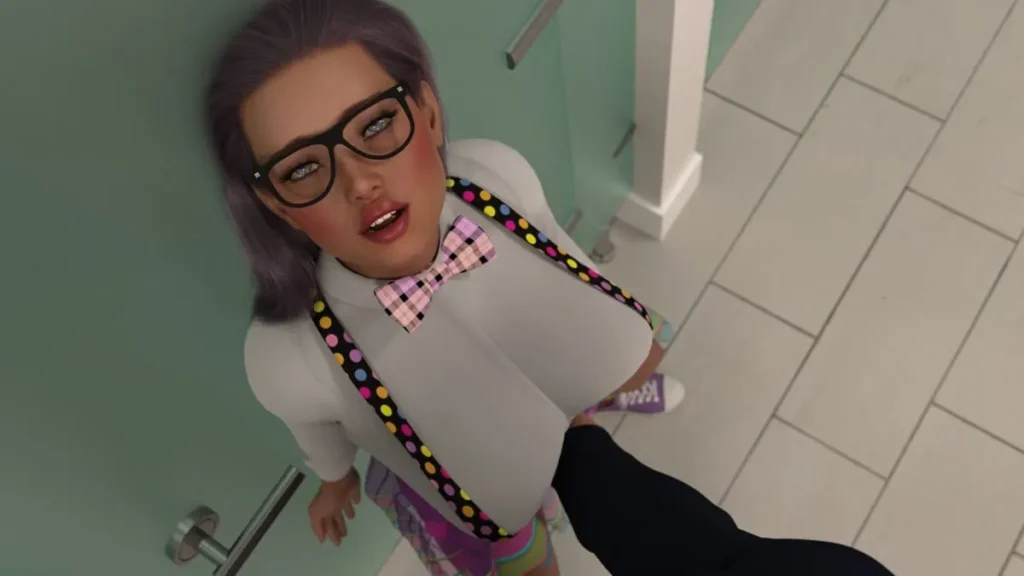





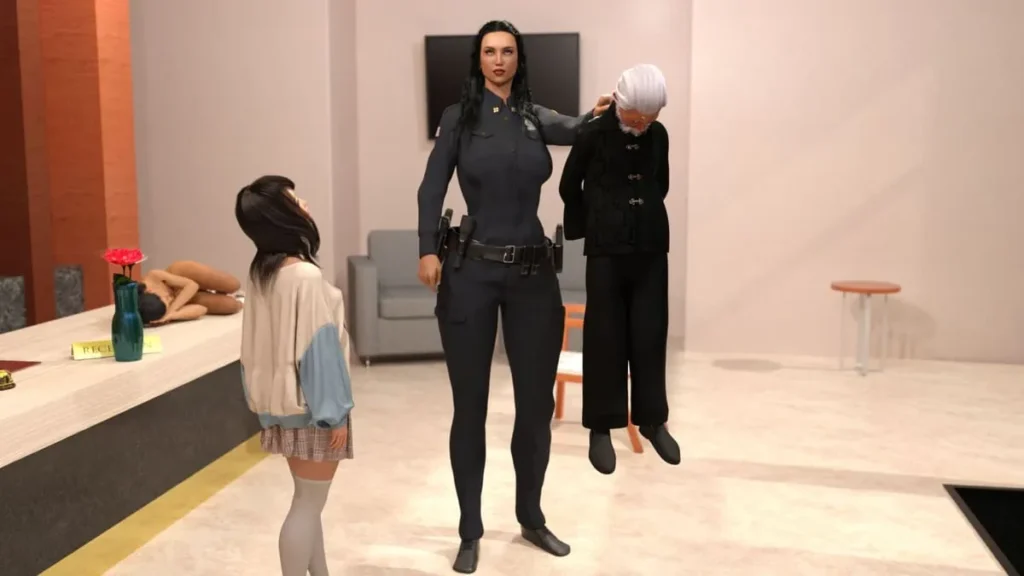
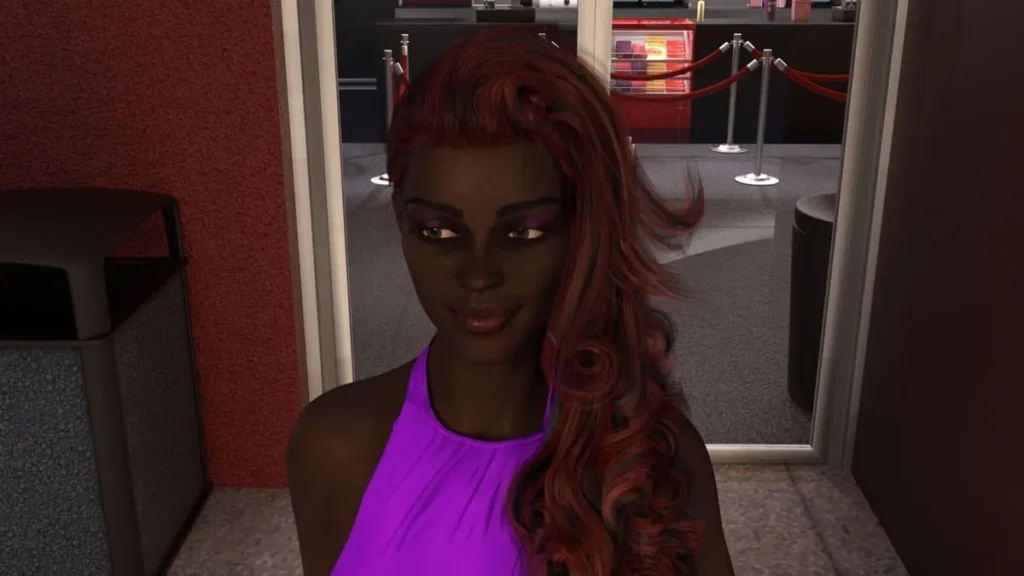
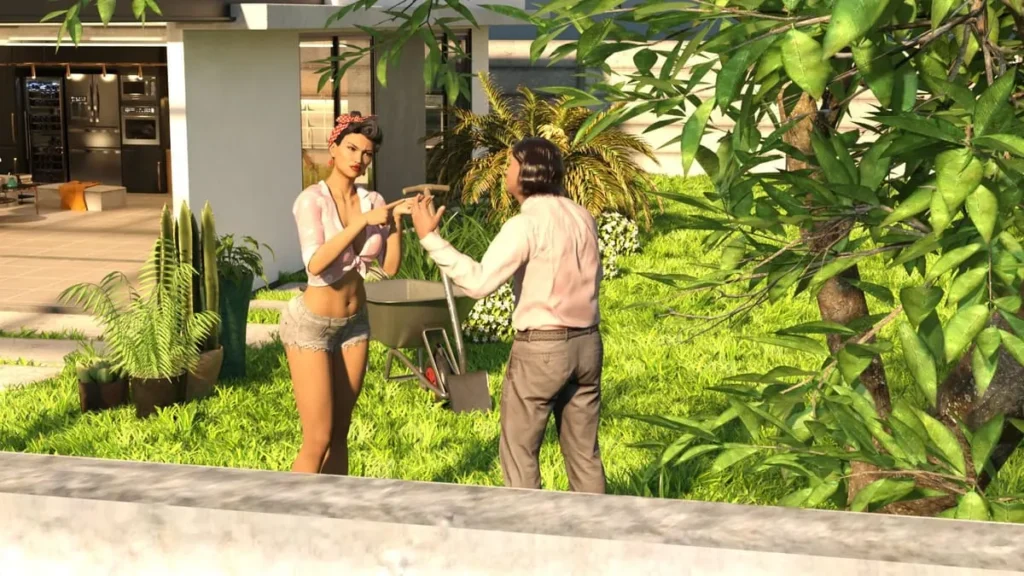
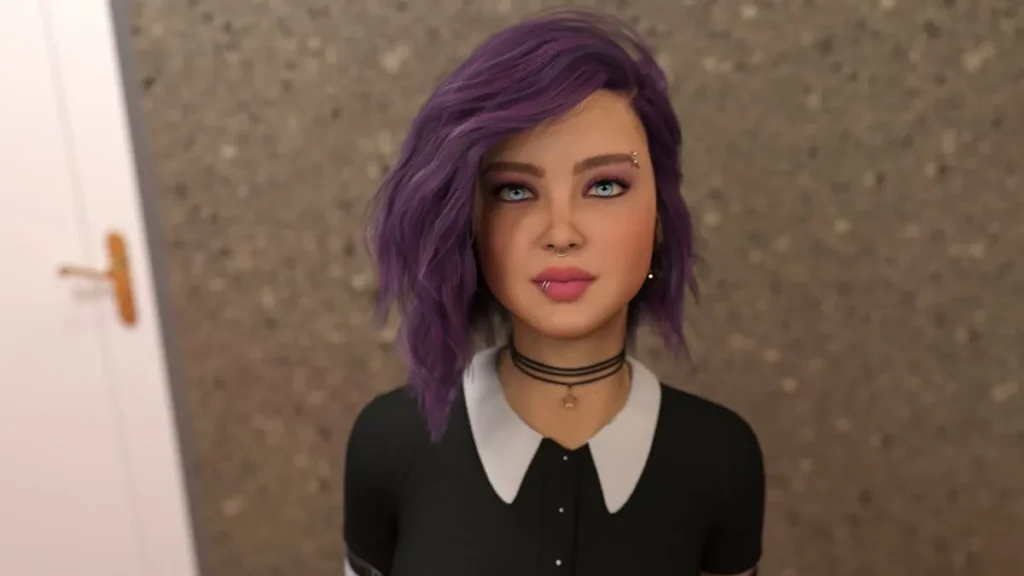



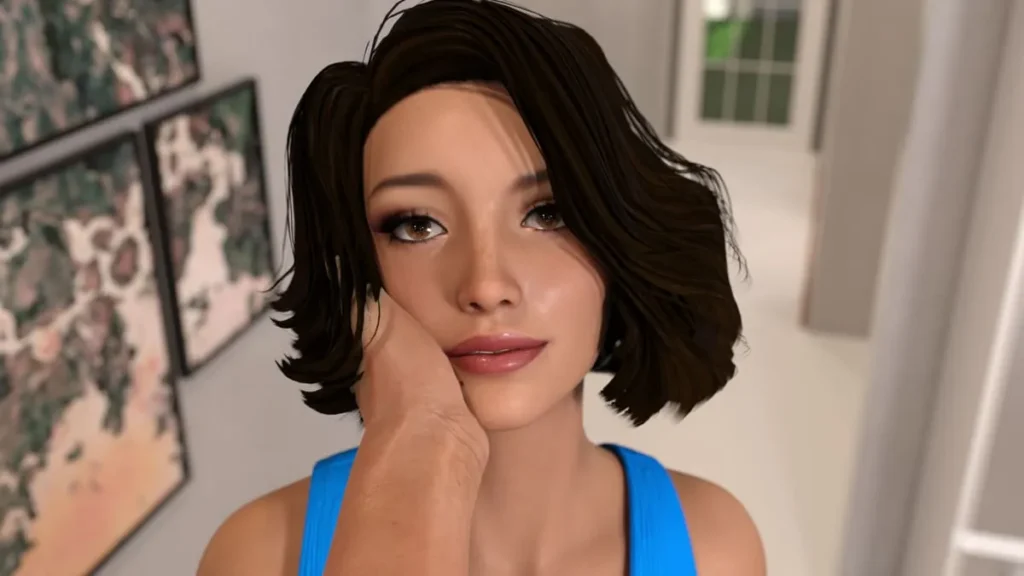
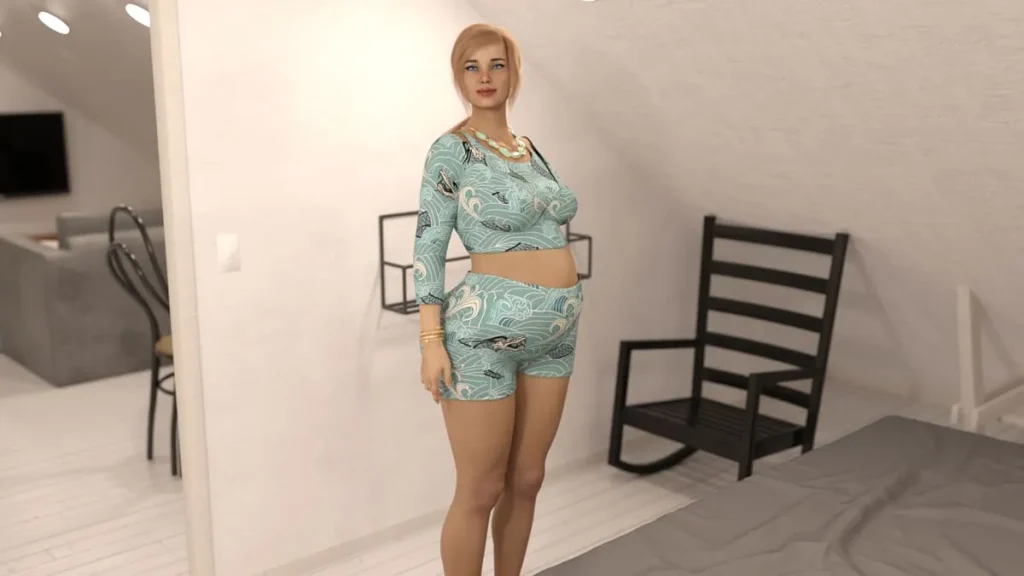


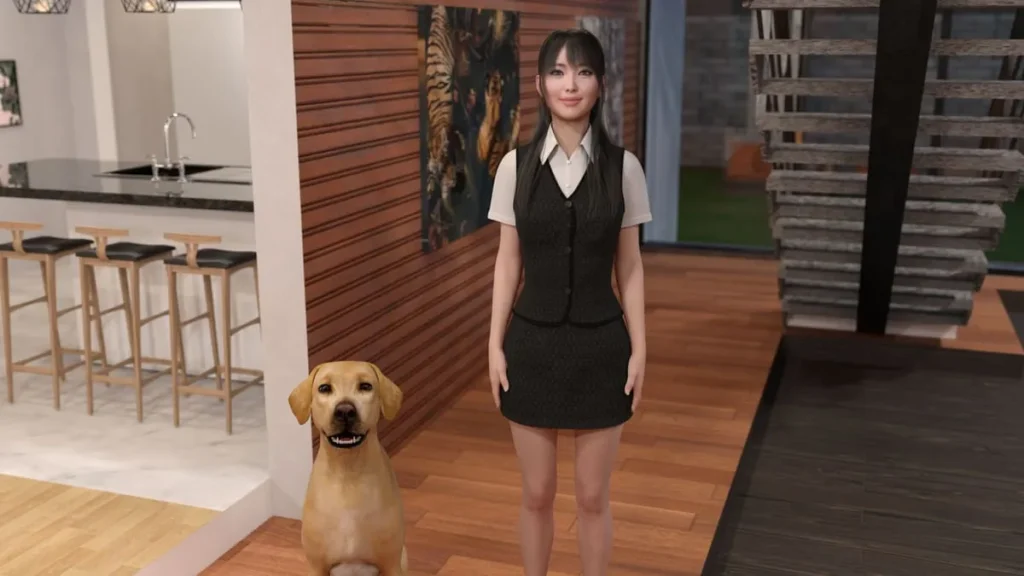
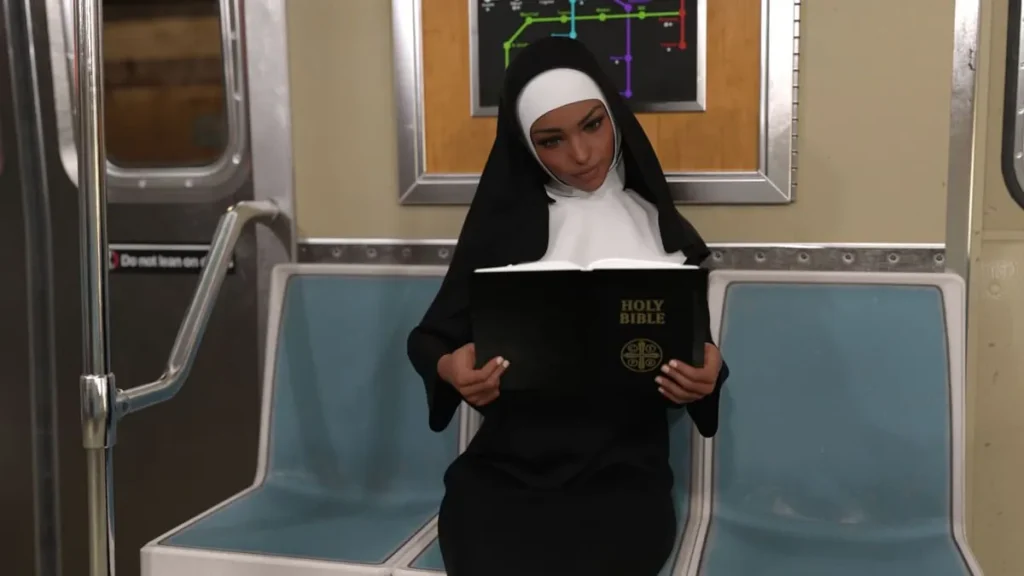


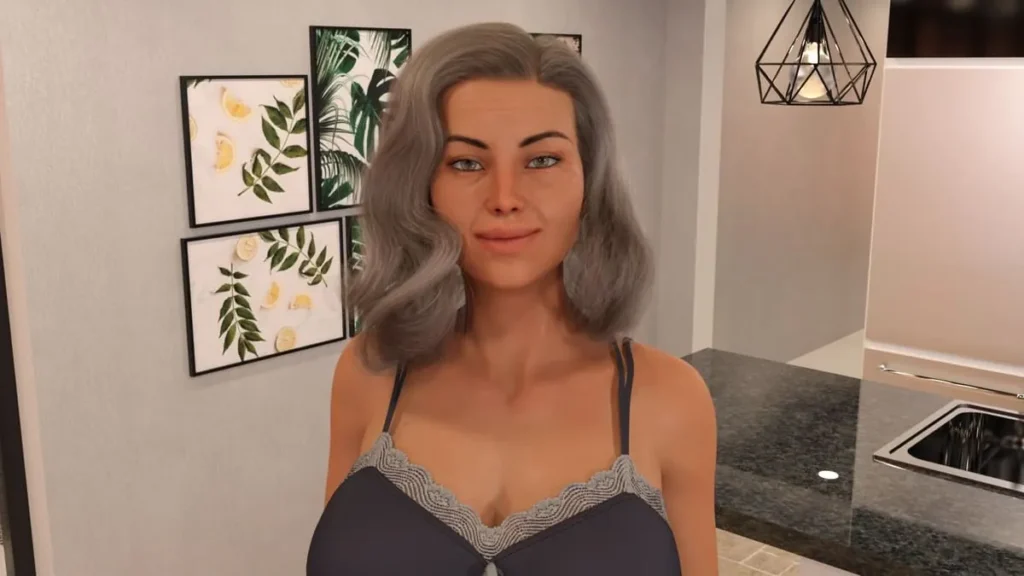

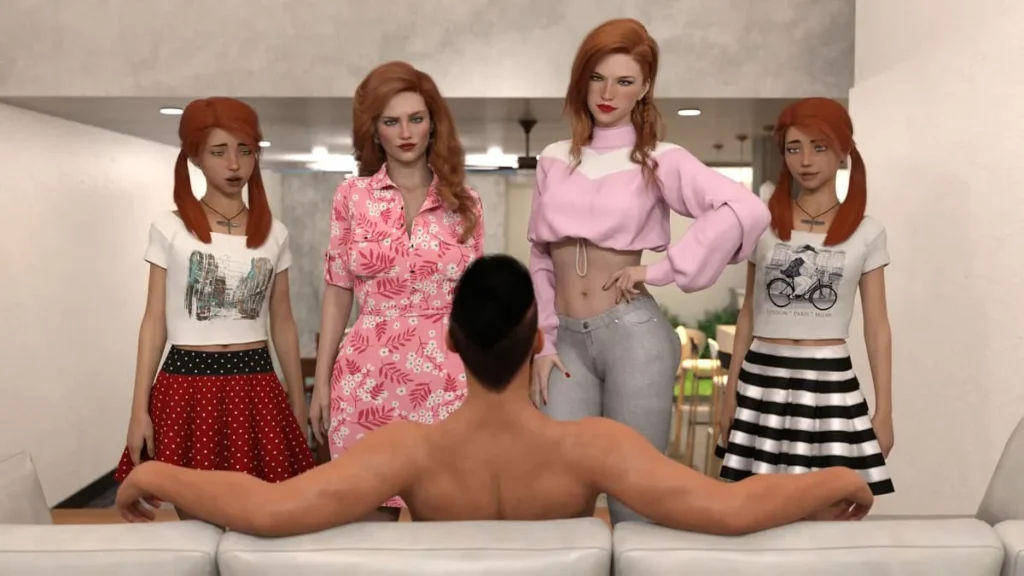

Grandma’s House review
Unlock Secrets and Paths in This Captivating Adult Visual Novel
Ever stumbled into Grandma’s House, the gripping adult visual novel that’s got players hooked on its steamy storylines and tough choices? I remember my first playthrough—heart racing as I navigated family dynamics and hidden desires in this immersive world. This game blends engaging narratives with mature themes, letting you shape outcomes through smart decisions. Whether you’re chasing specific endings or maximizing interactions, this guide dives deep into strategies, character arcs, and pro tips to elevate your experience. Stick around to master Grandma’s House and uncover every tantalizing path.
How to Master Gameplay in Grandma’s House
My first night with Grandma’s House, I thought I had it all figured out. 🕯️ I was just clicking through, enjoying the story, being my charming self to everyone at the family reunion. Then, out of nowhere, I made a single offhand comment to a cousin, and the entire mood of the evening shifted. Doors I didn’t even know were there slammed shut in my face. My path through that long, strange weekend was set, and I hadn’t even realized I was choosing it. That’s the magic and the menace of the Grandma’s House gameplay—every word is a brick in the road you’re building, and you only get to see the destination once you’ve already arrived.
That initial, unspoiled run is a sacred experience, but if you’re anything like me, you’ll immediately want to dive back in and map every possibility. That’s where a solid understanding of the how to play Grandma’s House philosophy comes in. It’s not about finding one “right” answer; it’s about embracing the web of Grandma’s House paths to experience every heartbreaking, heartwarming, and wildly unexpected story the game has to offer. This chapter is your guide to doing just that.
What Makes Grandma’s House Stand Out?
At its core, Grandma’s House is a masterclass in tension and intimacy. Unlike many visual novels that feel like simple choose-your-own-adventures, this game layers its Grandma’s House gameplay with an incredible sense of consequence. You’re not just picking dialogue options; you’re navigating complex family dynamics, simmering personal histories, and fragile emotional states. A joke that lands perfectly with one character might deeply offend another. Choosing to help with dishes instead of sneaking off for a private chat can alter your entire relationship trajectory.
The brilliance lies in its branching narrative. Think of your save file not as a single line, but as a tree with countless branches. Early, seemingly innocent Grandma’s House decisions determine which major branches you can even access later. Will you pursue a slow-burn connection with the thoughtful Allie? Dive into the chaotic, rebellious energy of Polly? Or untangle the mysterious past that Zelda guards so closely? You can’t do it all in one go, and that’s the point. The replay value is immense because each path feels genuinely distinct, revealing new facets of the characters and the sprawling, secretive house itself.
My personal “aha!” moment came when I replayed after my failed first attempt. I’d been too passive, trying to please everyone. On my second run, I committed fully to a specific connection from the start, making bold, sometimes risky choices to show my interest. The difference was night and day. Whole scenes I’d never seen before unfolded, characters shared vulnerable secrets, and the ending I reached felt earned and deeply satisfying. The thrill is in the risk—bold choices lead to the best rewards.
Key Decision Points and Their Impacts?
Navigating a Grandma’s House walkthrough mentally requires understanding key forks in the road. The game excels at presenting moments that feel small but have ripple effects. Here’s a breakdown of some major decision trees you’ll encounter. Remember, this isn’t about spoilers—it’s about understanding the mechanic of consequence.
| Decision Context | Common Fork in the Road | Potential Path Direction | Pro Tip |
|---|---|---|---|
| The First Evening & Group Dynamics | How you choose to spend your initial free time and who you side with in light family debates. | Sets initial **affection levels** and flags which character-centric paths are “active.” Choosing solitude can even open unique introspective routes. | This is your foundation. Make a hard save here to branch out later! |
| One-on-One Time (e.g., Kitchen help with Allie) | Opting for genuine help/deep conversation vs. keeping things light/flirty. | Deep conversations build trust and unlock emotional, story-heavy scenes later. Lighter options may keep things fun but more surface-level. | Listen to the character’s mood. Are they seeking comfort or distraction? Match your choice to their vibe. |
| Polly’s Rebellious Ideas | Joining in her mischievous plans vs. urging caution or refusing. | Joining deepens your bond with Polly and unlocks exciting, risky “rebellion” paths. Refusing may align you more with other family members’ expectations. | Committing to Polly’s path often means closing doors with more conventional characters. Choose your chaos wisely! |
| Zelda’s Conversations & The Past | Pressing for details about family history vs. respecting her clear boundaries. | Pressing can unravel central mysteries and is key to “truth” endings, but risks alienating her. Respecting builds a different kind of slow, trusting bond. | These are high-stakes **Grandma’s House decisions**. Have a dedicated save file before pushing too hard. |
| Critical Late-Game Choices | When tensions peak, choosing who to support or confide in. | This is often the final “lock” for a character’s ending. Your choice here finalizes your route and determines your final scene partners. | Your accumulated affection points will determine which options are even available. If your desired choice is greyed out, you needed more points earlier! |
The impact of these choices is what creates the diverse spectrum of Grandma’s House endings. You might end the weekend with a new romantic connection, a repaired family bond, a shocking revelation about the house, or even in bittersweet solitude. There’s no “game over”—every conclusion is a valid, often poignant, end to your particular story.
Tips for Unlocking Hidden Scenes
So, you want to see everything the house has to hide? 🗝️ Moving beyond your first ending requires a strategic approach. Here are my top Grandma’s House tips for uncovering all the secrets.
- Save Like a Digital Hoarder: This is the single most important piece of advice. Always save before any significant dialogue choice, especially when meeting a character alone. Create a clear save file naming system (e.g., “Day1_Pre_Allie_Talk”). This lets you jump back to any major branch point without replaying hours of content. A robust save strategy is the backbone of any good Grandma’s House walkthrough.
- Track Affection Invisibly: The game doesn’t show a numeric meter, so you must become a detective. Pay close attention to character reactions—a smile, a blush, a thoughtful look, or a disappointed sigh. Changes in their dialogue tone are your best clues. Focusing your attention on one or two characters per run is more effective than spreading yourself thin.
- Embrace Radical Replays: To explore wildly different Grandma’s House paths, you need to make radically different choices. If you were kind and helpful in one run, be aloof or mischievous in the next. Actively seek out different activities. The game rewards this divergence with completely unique scenes.
- Explore Every Nook (and Dialogue Option): Seriously, click on everything in the environments. Examine photographs, books, and odd decorations. Sometimes, these observations give you special, more intimate dialogue options with specific characters later. Also, don’t just pick the “safe” top dialogue option every time. The second or third choice often leads to more interesting, path-defining interactions.
- The Power of “No” and Silence: You are not obligated to say yes to every request or fill every silence. Sometimes, refusing an invitation or choosing a silent, thoughtful response can lead to surprising and profound moments that chatty options bypass completely.
Personal Insight: In one run, I was so focused on chasing a specific ending that I followed a guide robotically. It felt hollow. The real joy returned when I went off-script, made a “wrong” choice on purpose, and stumbled upon a hidden, tender scene I’d never read about. The game is packed with these gems for the truly curious.
Remember, mastering the Grandma’s House gameplay is a journey of discovery. Each failed run or “bad” ending is just data, teaching you more about the intricate web of relationships in the game. Now that you’re armed with these strategies for navigating Grandma’s House decisions and finding those Grandma’s House endings, you’re ready to unlock the full, captivating story.
FAQ: Common Grandma’s House Hurdles
Q: I think I messed up my run! A character is mad at me and I can’t get the scene I wanted. What do I do?
A: Don’t panic! This is a core part of the experience. First, load a previous save from before the tension started. If you don’t have one, consider riding this run out to its conclusion—you might get a unique ending. For next time, remember the golden rule: save before every major conversation.
Q: How do I know which character’s path I’m on?
A: The game rarely tells you explicitly. Instead, look for narrative cues: who seeks you out most often? Whose personal stories are being revealed to you? The final act will make it very clear based on who is central to the climax. If you’re often alone, you might be on a more solitary, introspective path.
Q: I replayed but keep getting the same ending, even when I make different choices. Why?
A: This usually means a critical, early decision is still setting you on the same major branch. You need to change something more fundamental in the first act. Try spending your first evening with a completely different group of people, or altering your response to a key family event. Small mid-game changes often can’t override an early path lock.
Q: Are there missable scenes?
A: Absolutely. 💎 Many scenes require a specific sequence of choices and a high enough hidden affection level with a character. If you miss a key interaction on Day 1, the private conversation on Day 2 might never be offered. This is why focusing on one character per run and using multiple saves is the best way to see everything.
Q: What’s the best way to experience all the Grandma’s House paths?
A: Play your first run completely blind for your authentic story. Then, do dedicated “focus runs”: one where you say yes to every opportunity with Allie, one where you embrace Polly’s chaos, one where you relentlessly investigate the house’s mysteries with Zelda. Use a fresh save at the start of each day to efficiently explore the branches from that point onward.
Diving into Grandma’s House has been a wild ride of choices, characters, and captivating moments that keep you coming back. From mastering those pivotal decisions to chasing elusive scenes with Allie, Polly, and others, you’ve got the tools to own every path. My own journeys through its updates taught me patience pays off in the richest rewards. Now it’s your turn—fire up the game, experiment boldly, and share your epic tales in the comments. What’s your favorite route so far? Let’s keep the conversation going!