
Heart Problems
Play Heart Problems
Heart Problems Screenshots















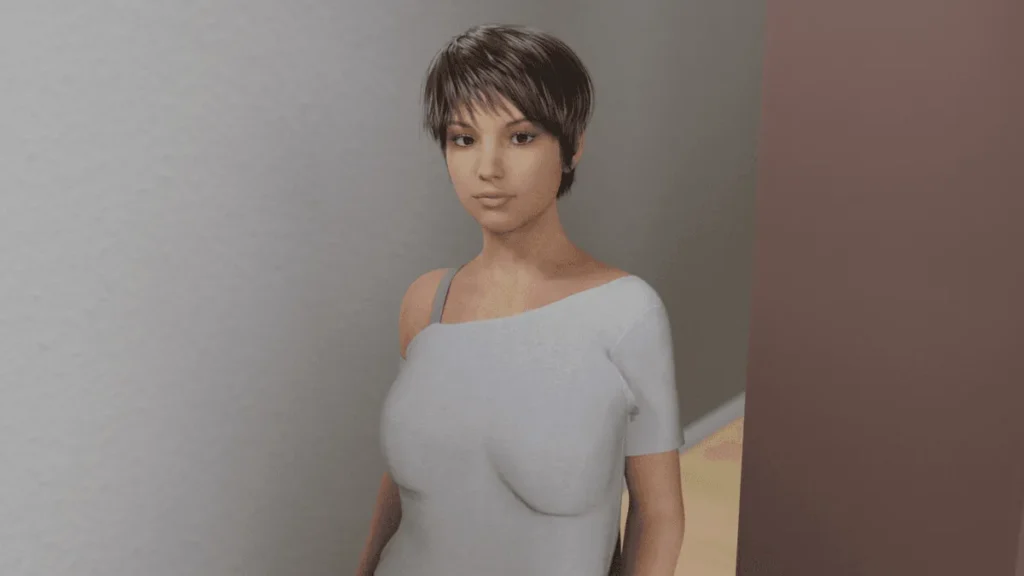

Heart Problems review
A Deep Dive Into the Immersive Adult Visual Novel Experience
Heart Problems stands out as a distinctive adult visual novel that transcends typical genre conventions by blending emotional storytelling with interactive gameplay. Developed by Xenorav, this immersive experience centers on Iker, a young man navigating complex family dynamics and personal growth following his mother’s abandonment. Unlike conventional adult games that prioritize surface-level content, Heart Problems weaves meaningful narrative elements, character development, and consequence-driven choices throughout its gameplay. Whether you’re drawn to narrative depth, relationship dynamics, or the innovative mechanics that shape your journey, this game offers a compelling experience that resonates long after completion. Discover what makes Heart Problems a standout title in the adult gaming community.
Understanding the Heart Problems Narrative: Plot, Characters & Themes
Let’s be honest. When you hear “adult visual novel,” a certain set of expectations clicks into place. You might think of thin plots that exist only as a runway for risque scenes, or characters who feel more like checkboxes than real people. I know I did. 😅 But then I played Heart Problems, and it completely rewired my understanding of what this genre can achieve. It’s a masterclass in proving that mature themes can be the vehicle for a story of immense emotional weight, not the destination.
This chapter is a deep dive into the soul of the experience. We’re moving beyond the surface to explore the Heart Problems game story at its core: a narrative that grips you not with spectacle, but with the quiet, devastating, and hopeful echoes of human connection. We’ll unravel the complex character web, examine the themes that give it such resonance, and see how its adult visual novel narrative is built on a foundation of genuine drama.
The Central Story: Iker’s Journey of Abandonment and Belonging
The Heart Problems game story begins with a wound that never fully healed. You step into the shoes of Iker, a young man who was abandoned by his mother as a teenager. She just… left. No dramatic fight, no satisfying explanation—just a void where a parent should be. This isn’t a backstory mentioned in passing; it’s the emotional bedrock of the entire game. That trauma of abandonment shapes every hesitant interaction, every moment of self-doubt, and every desperate craving for connection Iker experiences.
His refuge is with his uncle Davie and his family. What starts as a temporary haven slowly becomes his new world. This is where the genius of the interactive fiction plot shines. The story isn’t about chasing down his mother or embarking on a globe-trotting adventure. It’s an intimate, slow-burn exploration of what it means to belong. The central tension is heartbreakingly simple: Can Iker allow himself to truly connect with this new family, to see them as his family, without feeling like he’s betraying the memory of his mother or setting himself up for another catastrophic loss? 🏠
The narrative expertly weaves a mystery element into this emotional journey. The question of why his mother left is a ghost that haunts the house. Clues and half-remembered memories surface not through action-packed investigation, but through conversations, forgotten letters, and the subtle tensions in adult conversations he overhears. Uncovering these family secrets becomes the engine for progression, making every revelation feel deeply personal and directly tied to Iker’s healing (or further hurt).
This approach to emotional storytelling gameplay is what sets Heart Problems apart. Your choices aren’t about being a “good” or “bad” person in a moral sense. They’re about how Iker navigates his vulnerability. Do you retreat into yourself, protecting that wounded inner teenager? Or do you tentatively reach out, risking rejection for the chance of real intimacy? The plot moves at the speed of life, prioritizing these internal conflicts and “quiet moments” over external drama, making the emotional payoff incredibly potent.
Character Dynamics: Family Relationships and Emotional Complexity
If the plot is the skeleton, the characters are the beating heart. The character relationships in games like this are often simplistic, but Heart Problems treats its cast with novelistic depth. This isn’t a harem; it’s a fractured family unit trying to piece itself together, with Iker as the unexpected and awkward new component.
- Aunt Sarah: She is the warmth Iker desperately needs. Her kindness isn’t a naive trope; it’s a conscious, maternal choice to provide the stability he was denied. Navigating your relationship with her is a delicate dance between gratitude, genuine familial affection, and the confusing emergence of deeper, more complicated feelings. Her own life and unmet needs add layers to every interaction.
- Cousin Maddie: The vibrant, outgoing cousin. She represents a chance at a “normal” peer relationship—teasing, camaraderie, and shared youth. But beneath her cheerful exterior lies her own insecurities and desires, making the shift from cousinly bonding to something more a path fraught with emotional risk and the potential to destabilize the entire family dynamic.
- Cousin Chloe: The quieter, more reserved sister. Connecting with Chloe is different. It’s built on shared silence, understanding glances, and mutual retreat from the world. This relationship often feels like finding an ally in the same storm, and exploring it can be a deeply tender, if melancholic, experience.
The visual novel character development occurs through your interactions with them. You don’t just choose romantic paths; you choose how to engage in everyday life. Do you help clean up after dinner? What do you talk about on a lazy Sunday afternoon? These micro-choices build trust, shift perceptions, and alter the emotional storytelling gameplay in profound ways. The family’s reactions to Iker—and to each other—change dynamically based on his presence and choices. A moment of closeness with one character can create a ripple of jealousy, concern, or introspection in another, making the entire household feel alive and interconnected.
This is where the game’s mature content finds its justification. The romantic or intimate scenes don’t feel like rewards or disconnected titillation. They feel like natural, albeit complex, extensions of the relationships you’ve painstakingly built. They are moments of intense vulnerability, where the themes of abandonment, longing, and acceptance come to a head. Because the game makes you care about these people first, the adult elements carry the weight of their shared history and emotional baggage. It’s brave storytelling that treats intimacy as a narrative climax, not a gameplay one.
| Aspect | Traditional Adult Game Narrative | “Heart Problems” Narrative Approach |
|---|---|---|
| Core Driver | Physical attraction & conquest; plot as a setup for scenes. | Emotional need & connection; scenes as a culmination of relationship development. |
| Character Depth | Archetypal (e.g., “the shy one,” “the bossy one”). Defined by a single trait or role. | Layered & Contradictory. Characters have personal histories, insecurities, and evolving roles within a family structure. |
| Consequence System | Often binary (affection points), leading to a specific “ending” with a character. | Ripple-effect dynamics. Choices affect the entire household’s mood, relationships between other characters, and unlock unique, nuanced story branches. |
| Pacing | Fast-paced, goal-oriented towards intimate milestones. | Slow-burn, reflective. Values quiet moments of dialogue, internal monologue, and the subtext of everyday interactions. |
Thematic Elements: What Makes the Narrative Resonate
So why does this story stick with you? Why does the Heart Problems game story feel more impactful than so many others in its genre? It’s because it’s built on universal, deeply human themes that are explored with rare honesty.
- Abandonment & The Fear of Reliving It: This is the central theme. Every step Iker takes toward his new family is shadowed by the ghost of his mother’s departure. The game brilliantly explores how this trauma manifests—not as loud anger, but as a hesitation to trust, a predisposition to see oneself as a temporary guest, and a fear that getting too close will inevitably lead to pain. 🕊️
- Belonging vs. Desire: This is the core conflict of the adult visual novel narrative. Iker’s deepest need is to belong, to have a home and a family. Yet, as he becomes part of the household, natural human desires and attractions emerge, creating a potentially catastrophic conflict. Can he pursue a deeper connection with one member without destroying his sense of belonging to the whole unit? The game forces you to sit in this uncomfortable, deeply realistic tension.
- Intimacy as Vulnerability: The game reframes intimacy. It’s not presented as just physical or even purely romantic. True intimacy here is shown in moments of emotional nakedness: admitting a fear, sharing a painful memory, or simply being quiet together without expectation. The emotional storytelling gameplay is designed to make you value these moments as highly as any other, making the eventual physical intimacy feel earned and significant.
- The Reconstruction of Family: What is a family? Is it blood, or is it the people who choose to stay, to care for you, and to see you? Heart Problems is ultimately a story about building a new family from the pieces of a broken one. It’s messy, unconventional, and fraught with emotional danger, but it’s also hopeful. It argues that connection is worth the risk, and that home isn’t a place you’re from, but a place you make.
This thematic richness is what elevates Heart Problems beyond a typical gaming experience. It uses the interactive framework of branching narrative games not just to offer different endings, but to let you explore different facets of these themes based on your choices. Will Iker’s story be one of cautious healing, of passionate risk-taking, or of self-sabotaging retreat? The power is in your hands, but the emotional gravity of the themes ensures every path feels consequential and real.
In the end, the Heart Problems game story succeeds because it respects its subject matter and its audience. It trusts that players are looking for more than a simple fantasy; they’re looking for a story that mirrors the complicated, beautiful, and sometimes painful reality of human relationships. It proves that an adult visual novel narrative can be a powerful vessel for exploring the most delicate parts of the human experience, making it a landmark title in interactive fiction plot design and a must-play for anyone who believes games can tell stories that truly matter. ❤️🔥
Heart Problems represents a significant evolution in adult gaming by proving that mature content and meaningful storytelling aren’t mutually exclusive. Through its intricate narrative centered on Iker’s emotional journey, innovative gameplay mechanics that prioritize player choice and consequence, and polished visual and audio presentation, the game creates an experience that resonates on multiple levels. The branching dialogue system, relationship meters, and emotional consequence engine work together to ensure that no two playthroughs feel identical, rewarding players who engage deeply with the characters and story. What truly distinguishes Heart Problems is its commitment to treating players as adults capable of appreciating both emotional complexity and mature themes, creating a space where intimacy serves character development rather than existing for its own sake. Whether you’re drawn to the mystery of Iker’s mother’s disappearance, the nuanced family dynamics, or the innovative mechanics that shape your journey, Heart Problems offers a compelling experience worth exploring. Dive into this immersive world and discover why it stands apart in the visual novel landscape.