
Only a Dream
Play Only a Dream
Only a Dream Screenshots








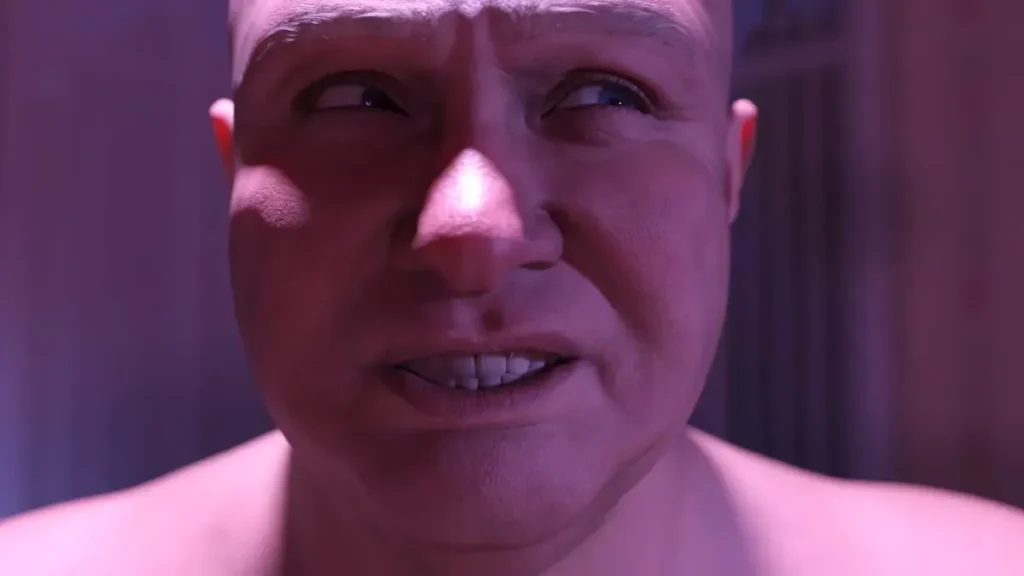







Only a Dream review
A practical, experience-based guide to the Only a Dream interactive game
Only a Dream is an atmospheric, story-driven game that blends surreal dream logic with grounded character moments and branching choices. If you have seen screenshots or short clips but still feel unsure what the Only a Dream game is really about, you are not alone. When I first tried it, I went in almost blind and discovered far more depth than I expected. In this guide, I will walk you through its core premise, pacing and gameplay systems, while sharing my own experiences and practical tips so you can decide if Only a Dream belongs on your must-play list.
What Is Only a Dream and Why Do People Talk About It?
So, you’ve heard people whispering about Only a Dream game, maybe seen some hauntingly beautiful screenshots, and you’re wondering what all the fuss is about. Is it just another narrative title, or is there something more to it? Let me pull up a chair, friend, and give you the real scoop. This isn’t a cold, clinical Only a Dream overview; this is what it feels like to play.
Think of it less as a traditional game and more as a playable, moody novel where your subconscious is the main setting. People talk about it because it nails a specific vibe—that liminal space between sleeping and waking—and wraps a compelling human story right inside it. 🛌
Core premise and atmosphere of Only a Dream
At its heart, the Only a Dream story is about uncovering truths. You step into the shoes of a protagonist who is, frankly, a bit lost. Their waking life is tinged with a quiet anxiety or a lingering regret, something they can’t quite face head-on. So, where does that unresolved emotion go? Straight into their dreams.
The gameplay in Only a Dream is built on this foundation. You’ll navigate two intertwined worlds: the somewhat mundane, relatable “real world” and the ever-shifting, symbolic dreamscape. One moment you’re having a strained conversation in a cozy, sunlit kitchen, and the next, that same kitchen is floating in an endless, starry void, with the cabinets whispering fragments of past arguments. 🪐
The atmosphere is the game’s biggest star. It’s a masterclass in using visuals and sound to create feeling. The dreams aren’t just random weirdness; they’re emotionally coherent. A scene of drowning in a flood of office paperwork perfectly captures the feeling of being overwhelmed. A path that endlessly forks in a dark forest mirrors the anxiety of indecision. The game uses these surreal tableaus to tell you what the protagonist feels, not just what they think.
This is a slow burn. Don’t come expecting jump scares or frantic chases. The rhythm here is deliberate, almost meditative. You walk, you observe, you listen to the protagonist’s internal monologue, and you talk to the people—or dream-figures—you meet. The Only a Dream gameplay loop is about absorption, not action. You are sifting through the symbolic clutter of a mind to find the precious, hidden realizations.
How Only a Dream structures its story and characters
This is where Only a Dream truly separates itself from the pack. The story isn’t a straight line from A to B. It’s a spiral, where you keep circling the core truth, getting closer with each loop (or each night’s dream).
The game often starts with fragmented, confusing dreams. You’ll see symbols and characters that feel important, but their meaning is just out of reach. As you progress, making choices in both your waking interactions and your dream explorations, these fragments start to connect. Chapters become more defined, and the cause-and-effect of your decisions begins to crystalize. A choice to be vulnerable with a friend over coffee might manifest as a sturdier bridge in your next dream, allowing you to reach a previously inaccessible memory. ☕
Now, let’s talk about the Only a Dream characters. The cast is brilliantly constructed. There are your “real-world” connections: a best friend, a family member, a love interest. They feel authentic, with their own worries and lives outside of you. Then, there are the Dream Figures. These might be distorted versions of those real people, or they might be entirely original entities born from a specific fear or hope.
The genius is in the overlap. A quiet, judgmental coworker might appear in your dreams as a towering, silent statue that blocks your path. Your charming but unreliable friend could manifest as a will-o’-the-wisp, beautiful but always leading you astray. Conversations with these dream versions aren’t nonsense; they’re hyper-concentrated dialogues about your relationship with them.
Here’s a personal moment that sold me on the game’s design. Early on, I met a dream figure based on my character’s older sister. In this dream, she was tending to a garden of glass flowers. She asked me, the player, to help water them. The dialogue options were simple: “I’d love to help,” or “Aren’t they fragile? What’s the point?” Almost on a whim, I chose the more cynical, guarded option.
Hours later, in a waking-world scene, I was arguing with the real sister. The conversation was tense, but then she paused and said, “You know, you always do this. You see something beautiful and immediately point out how it could break.” It was a direct callback to that tiny, seemingly insignificant dream choice. That single line reframed their entire relationship and my protagonist’s self-sabotaging tendencies. It felt less like the game branching and more like it was peeling back layers, showing me a truth that was always there, waiting for me to acknowledge it. 💎
This careful, cause-and-effect writing is why people replay Only a Dream. You want to go back, water those glass flowers, and see what kind of different, perhaps more beautiful, truth grows in its place.
So, what’s the main draw? Let’s break it down:
* Atmosphere & Mood: It creates a palpable, surreal feeling that sticks with you long after you quit.
* Dialogue & Writing: The conversations feel genuine, and your choices in them carry meaningful, often emotional, weight.
* Replay Value: Seeing how different choices alter the dream symbolism and character relationships is deeply rewarding.
* The Dreamlike Setting: It uses its core concept not as a gimmick, but as a fundamental storytelling tool.
Who is Only a Dream really for?
This is the million-dollar question: Is Only a Dream worth playing for you? Let’s be honest, it won’t be for everyone, and that’s okay. Knowing what you’re getting into is key.
You will probably love Only a Dream if:
* You treat video games like interactive novels or films.
* You love analyzing symbolism, subtext, and character motivations.
* You enjoy “vibe” games where the mood is as important as the plot.
* You don’t mind reading a lot of dialogue and internal thought.
* The idea of replaying a story to uncover subtle differences excites you.
You might feel frustrated by Only a Dream if:
* You need constant action, challenges, or traditional puzzles.
* You prefer gameplay mechanics like combat, crafting, or skill trees.
* You get impatient with slow pacing and introspective narratives.
* You want a game with clear, binary “good vs. bad” endings.
My Only a Dream review style impressions? Its strengths are undeniable. The writing is sharp and insightful, the atmosphere is uniquely haunting, and the character development—especially seeing how dream versions reflect reality—is some of the best in the genre. It’s a game that trusts its audience to be thoughtful and observant.
Potential weak points? The pacing can be deliberately slow, which some may find tedious. It is also text-heavy; if you don’t enjoy reading in your games, this will be a barrier. There’s no “gamey” thrill to fall back on—the thrill here is purely emotional and intellectual.
To help visualize the fit, here’s a quick breakdown:
| Player Type | Will They Enjoy It? | Reason Why |
|---|---|---|
| The Story Lover | Absolutely Yes | The narrative depth, symbolic storytelling, and character arcs are the core experience. |
| The Explorer & Collector | Likely Yes | Finding all the subtle dialogue variations and alternative dream scenes offers a great sense of discovery. |
| The Action Seeker | Probably Not | The focus is on dialogue, reflection, and atmosphere, not physical challenges or combat. |
| The Mood Player | Definitely Yes | Creating and sitting within a specific, profound emotional tone is the game’s superpower. |
Ultimately, Only a Dream is for the curious, the empathetic, and the introspective. It’s less about winning and more about understanding. If you’ve ever wanted a game to feel like sifting through the poignant, strange, and beautiful fragments of someone else’s memory palace—and leaving with a better understanding of your own feelings in the process—then this is unquestionably for you. It’s a unique experience that earns every bit of conversation surrounding it. ✨
Only a Dream is one of those games that you understand best by actually spending time in its strange, shifting spaces. On the surface it looks like a simple, dialogue-heavy adventure, but once you sink into its dream sequences and get to know the recurring characters, it becomes a surprisingly personal experience. If you appreciate thoughtful writing, slow-burn tension and the feeling that your choices genuinely shape the tone of the story, Only a Dream is worth giving an evening or two of focused attention. Approach it with patience, lean into the surreal moments instead of trying to rationalize everything, and you will likely discover scenes and routes that stay with you long after the screen goes dark.