
Our Fate – A new family
Play Our Fate – A new family
Our Fate – A new family Screenshots





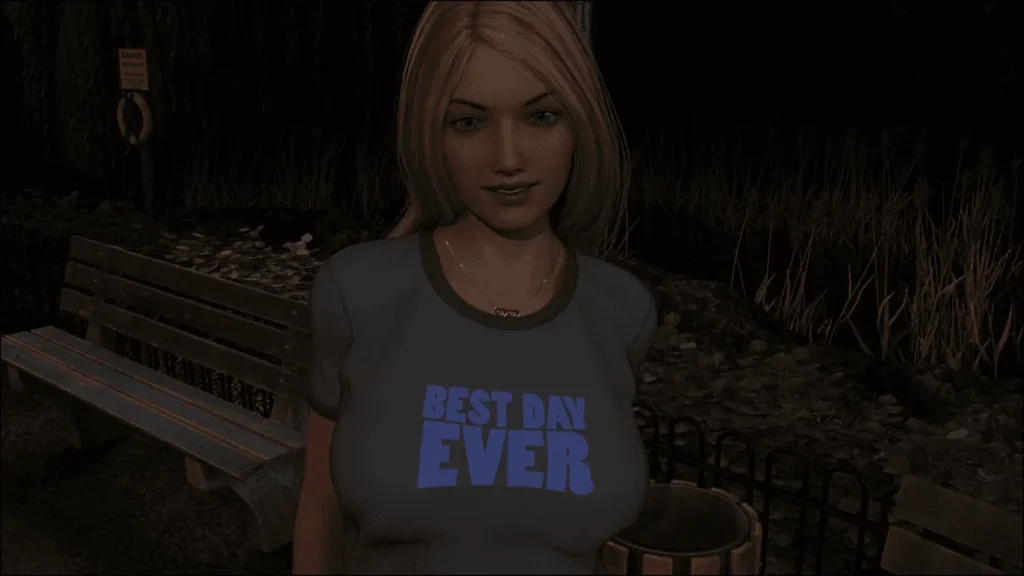


Our Fate – A new family review
Master the emotional narrative, character relationships, and decision-making mechanics
Our Fate – A New Family stands out as an emotionally driven interactive experience that prioritizes personal storytelling over epic battles. Rather than saving the world, you’re tasked with saving a fractured family from falling apart. This narrative-focused game places you in the role of a young adult suddenly responsible for three distant relatives: two younger siblings and an estranged aunt. Every decision you make—from mundane daily choices to critical life moments—ripples through your family’s lives, creating a deeply personal and high-stakes experience that resonates with players seeking meaningful character-driven gameplay.
Understanding the Core Narrative and Family Dynamics
Stepping into Our Fate – A New Family, you might expect a tale of grand adventure or epic conflict. Instead, the game hands you a set of dusty keys and a mountain of quiet, heartbreaking responsibility. This isn’t a story about saving the world from a monster; it’s about saving a small, fractured world within four walls. The central magic of this family narrative game lies in its brave focus on the internal. The core conflict isn’t out there—it’s in the awkward silences at the dinner table, the unspoken grief in a teenager’s eyes, and the struggle to choose between a paycheck and a bedtime story. Your journey is the delicate, daily work of rebuilding what was broken, making the Our Fate A New Family story a profoundly personal one.
I remember my first playthrough. I marched in, toolkit in hand (metaphorically speaking), ready to fix the leaky roof and patch the holes in the wall. I treated the people like another project to manage. It was a disaster. Maya’s trust plummeted, Leo retreated into his shell, and I was left sitting in my newly repaired kitchen, utterly alone, wondering what went wrong. The game quietly taught me its first, crucial lesson: you can’t rebuild a home without first rebuilding the hearts inside it.
The Central Storyline: Rebuilding Fractured Bonds
The Our Fate A New Family story begins not with a bang, but with a bequest and a burden. You inherit a crumbling house and, more importantly, legal responsibility for three relatives you barely know: Maya, a defiant teenager, Leo, a creative and sensitive young boy, and Grace, the weary but warm-hearted aunt who needs as much support as she gives. There’s no villainous tyrant to overthrow. The antagonist here is the past—the neglect, the loss, and the emotional distance that has settled over this family like dust.
This setup transforms the game into a powerful emotional storytelling interactive experience. Every splintered floorboard and faded photograph is a metaphor for their relationships. Your primary quest isn’t catalogued in a traditional journal with “Kill 10 Rats” objectives. It’s reflected in subtle changes: when Maya voluntarily tells you about her day, when Leo finally asks for help with his homework instead of struggling alone, or when Grace allows herself to rest, trusting you to hold things together for an afternoon.
The narrative structure is beautifully non-linear. There’s no single sequence of events you must follow. Instead, the story unfolds based on where you invest your time and emotional energy. Will you focus on securing a stable job to lift the financial pressure, potentially at the cost of being present? Or will you prioritize being home every evening, even if it means slower progress on the house repairs? The game validates every approach, but each path tells a different version of your family’s recovery. This is the essence of family bonding choices consequences; you are literally choosing which bonds to strengthen first, and the narrative branches to reflect those priorities. The plot you experience is uniquely yours, built from hundreds of small, seemingly insignificant decisions.
Your Role as Guardian and Decision-Maker
Your title in this game is “Guardian,” and it’s the most accurate job description in gaming. This isn’t about being a hero; it’s about being a rock. The guardian decision making mechanics are deceptively simple on the surface but carry immense emotional weight. The game presents you with constant, relatable dilemmas that pit practical survival against emotional needs.
Let’s walk through a real scenario I faced, which perfectly illustrates the family bonding choices consequences in action.
The Dilemma: It’s Wednesday. You’re barely making ends meet. Your boss, Ms. Evans, offers you a lucrative overtime shift that ends right at dinnertime. You’ve also promised Leo you’d help him build a model rocket for his science class, and Maya has been subtly hinting she wants to talk about something “important.”
Choice A: Work the Overtime. The practical choice. The money is desperately needed for the next house repair bill. You call home, explain the situation, and promise to make it up to them.
- Immediate Consequence: +$150 to your household funds. The roof repair fund gets a big boost.
- Relationship Consequence: Leo is quietly disappointed but says he understands. His “Trust” meter dips slightly. Maya shrugs and says “Whatever,” but her “Connection” meter takes a more noticeable hit. The narrative branch here might lead to her becoming more closed off, deciding not to share her important news later, or seeking guidance from someone else. You’ve reinforced a narrative that work comes first.
Choice B: Decline and Go Home. The emotional choice. You remember your promise and pick up on Maya’s cue. You go home, money be damned.
- Immediate Consequence: Financial stress remains. A repair gets delayed.
- Relationship Consequence: Helping Leo is a joyful, bonding moment. His “Trust” surges, and he might later confide a fear he’s been having. At dinner, Maya, seeing you prioritized them, finally opens up about being bullied at school, unlocking a whole new storyline thread about supporting her. You’ve reinforced a narrative that family is your priority.
There is no “correct” answer here. The game isn’t judging you; it’s reflecting life. Maybe in your playthrough, taking that shift is the right call because you’re on the brink of a financial crisis. The genius of Our Fate – A New Family is that it respects that complexity. The guardian decision making mechanics force you to confront your own values. Are you trying to build a financially secure household or an emotionally secure one? The beautiful, painful truth is that you must constantly balance both, and the game makes you feel every trade-off.
Character Relationships and Personal Growth
The soul of this family narrative game resides in its three central characters. They are not quest-givers or companions; they are complex individuals with fears, passions, and personal histories that you must slowly earn the right to know. Treating them as a monolithic “family” unit will lead to failure. Success in character relationships gameplay comes from learning who they are as people.
Character trust building is the core loop. Trust isn’t gained by giving grand gifts or completing a single task. It’s built through consistency, attention, and sometimes, respectful distance. It’s remembering that Leo hates peas, so you make an effort to cook carrots instead. It’s noticing Maya loves a particular band and surprising her with a used CD from the thrift store. It’s sitting with Grace on the porch with a cup of tea, not talking, just being there. Each of these small actions is a brick in the foundation of your new relationships.
Let’s break down who you’re caring for:
| Character | Personality & Role | Core Fears & Motivations | What Earns Their Trust |
|---|---|---|---|
| Maya (Teenager) | The defiant protector. Sharp, independent, and deeply loyal to her younger brother. Often challenges your authority as a test. | Abandonment is her deepest fear. She’s motivated by a need to keep Leo safe and to assert her own autonomy after feeling powerless. | Honesty over perfection. Admit when you’re wrong. Respect her boundaries. Show up when you say you will. Protect Leo without sidelining her. |
| Leo (Young Boy) | The quiet dreamer. Creative, observant, and sensitive. He expresses himself through drawing and imaginative play. | Chaos and instability. He fears the new home falling apart again. He is motivated by a need for safety, routine, and gentle encouragement. | Consistency and gentle encouragement. Keep promises, no matter how small. Engage with his interests. Create a calm, predictable environment. Defend his space from chaos. |
| Grace (Aunt) | The weary caregiver. Kind, practical, and running on empty. She tries to support everyone but is burdened by her own grief and fatigue. | Failing the family. She is motivated by love but terrified she’s not enough. She fears being a burden herself. | Support and shared burden. Actively lighten her load without being asked. Show you see her as a person, not just a helper. Encourage her to take time for herself. |
🍃✨👨👩👧👦
Mastering the character relationships gameplay means understanding that their personal growth is intertwined with your choices. Push Maya too hard about school, and she’ll rebel. Ignore Leo’s quiet cries for attention, and he’ll withdraw further. Take Grace’s help for granted, and she’ll burn out. But get it right? You’ll witness Maya slowly lower her walls, Leo’s confidence blossom, and Grace rediscover her own spark. You’re not just managing needs; you’re facilitating healing. Every conversation is a chance to learn a fragment of their past—a photo of their parents, a story about the old treehouse, a mention of a forgotten dream. These aren’t just lore collectibles; they are the keys to deeper, more meaningful interactions that permanently alter the family dynamic.
The ultimate goal of Our Fate – A New Family isn’t to reach a cinematic ending with a perfect score. It’s to reach an ending that feels true to the family you built. It might be messy. It might be bittersweet. But it will be yours, shaped entirely by your commitment to understanding the fragile, wonderful humans in your care. This is the power of its emotional storytelling interactive design: it makes you care, not because the game tells you to, but because you’ve invested the real, emotional work to build those connections, one choice at a time.
Our Fate – A New Family delivers a compelling experience centered on emotional authenticity and meaningful choices. The game excels at making players feel the weight of their decisions, whether managing household finances, building character trust, or navigating community relationships. What makes this narrative-driven experience unique is its refusal to present a single ‘correct’ path—instead, it celebrates the complexity of family dynamics and personal values. By combining intimate family moments with broader community interactions, the game creates a rich tapestry of interconnected stories. Whether you prioritize financial stability or emotional presence, community integration or family privacy, your choices shape a unique family story. For players seeking games that prioritize character development and meaningful relationships over action-driven gameplay, Our Fate – A New Family offers a deeply rewarding experience that lingers long after the credits roll.