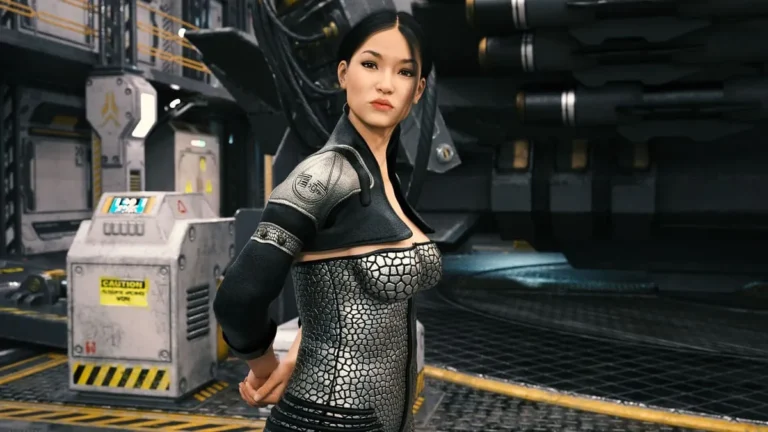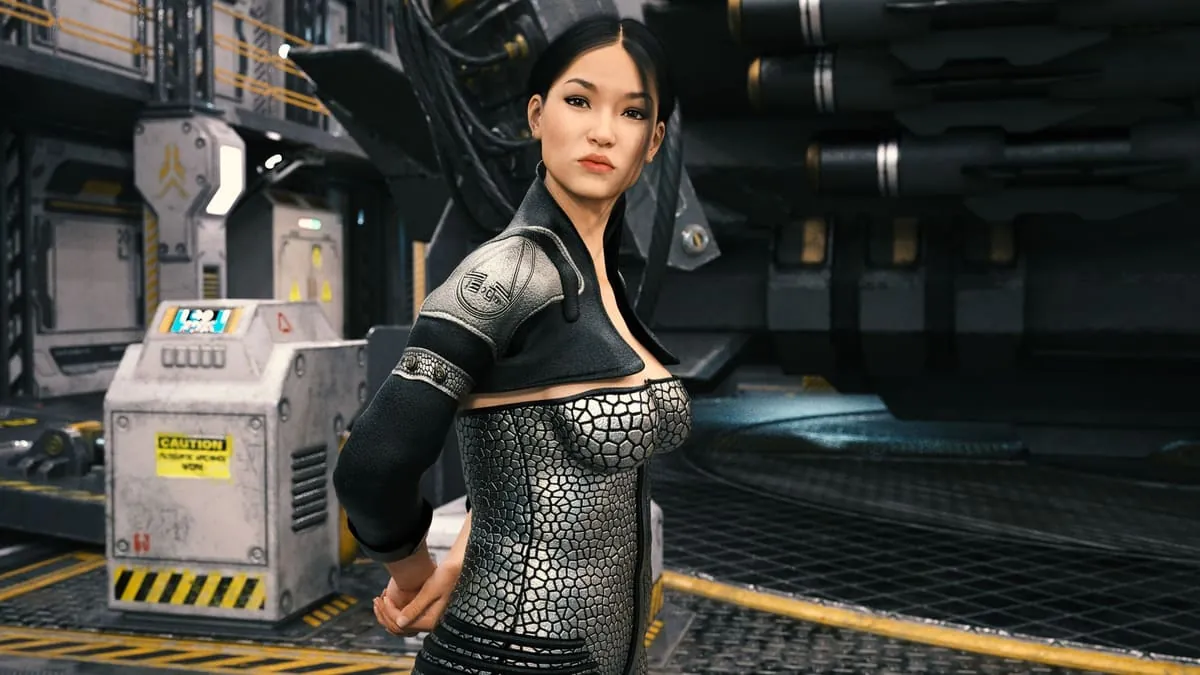
Tales from the Unending Void
Play Tales from the Unending Void
Tales from the Unending Void Screenshots





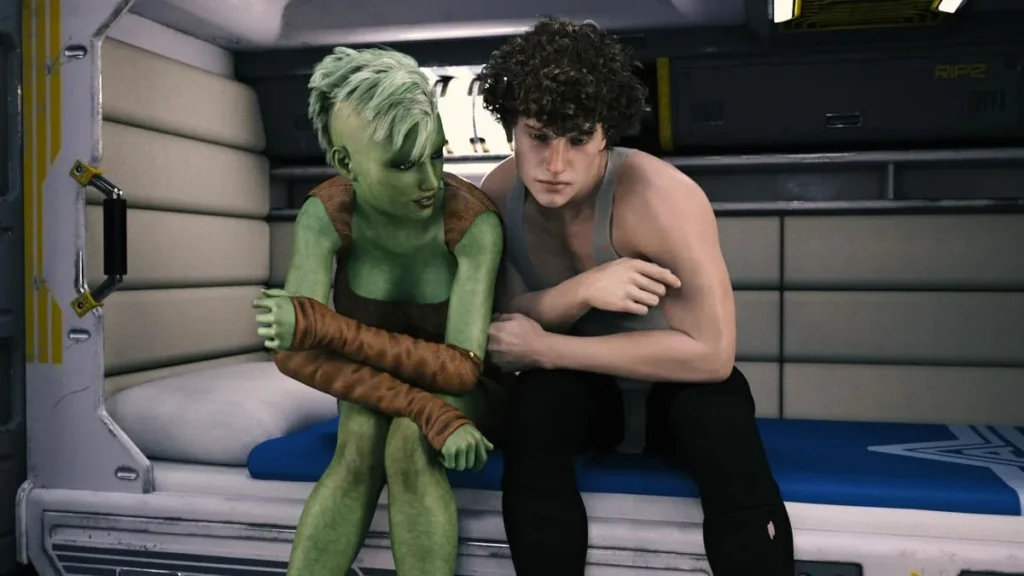









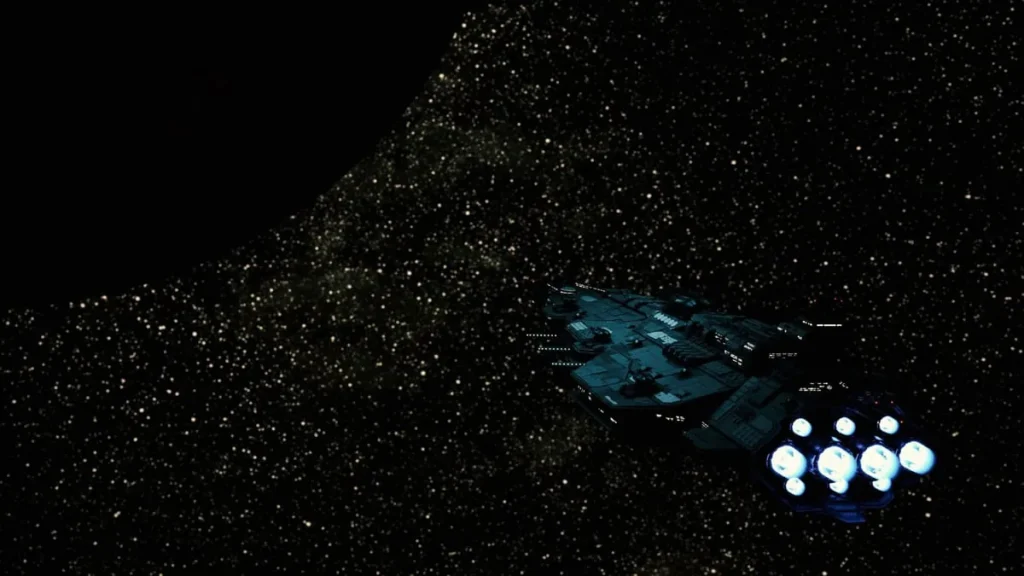

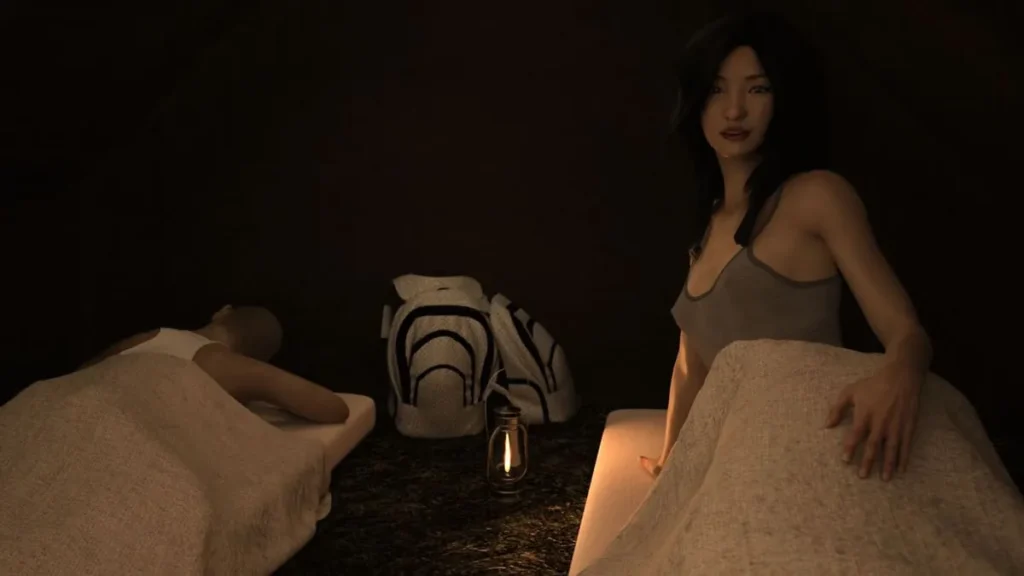
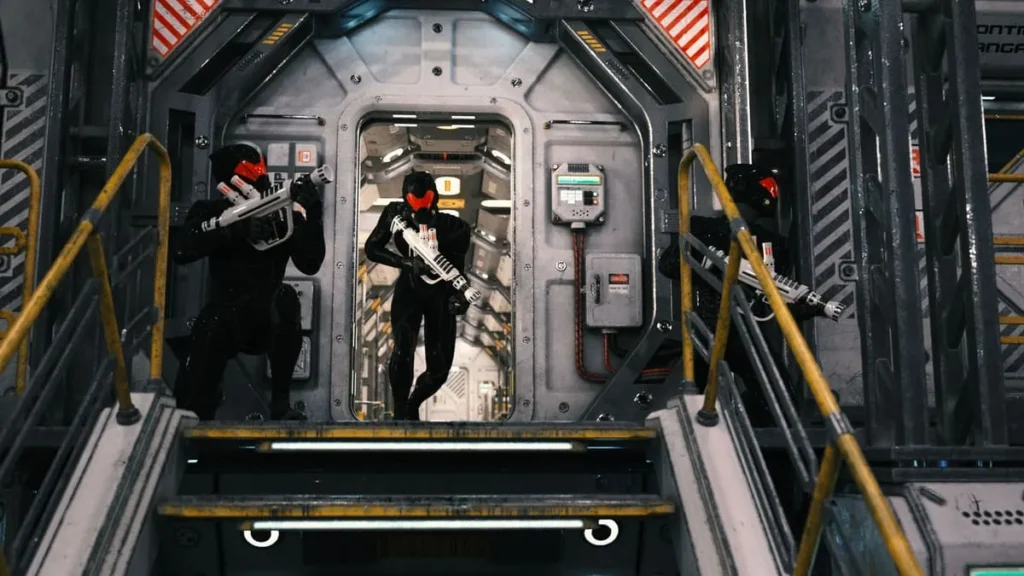
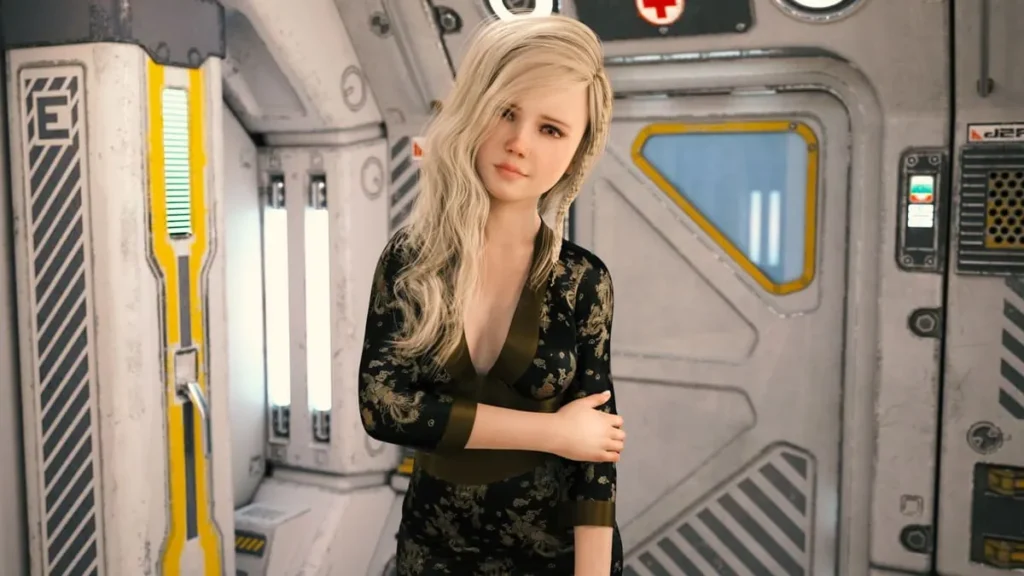

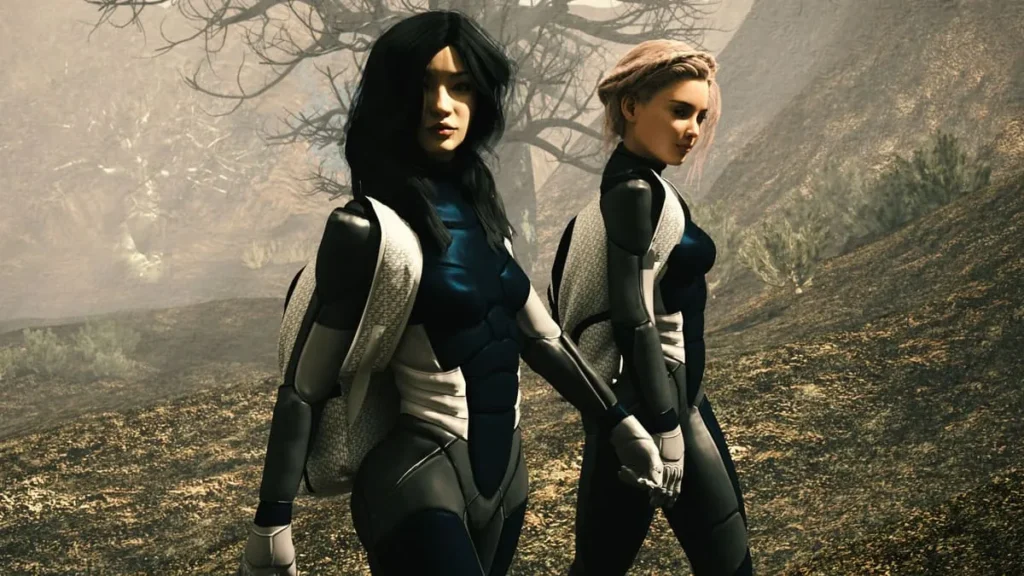
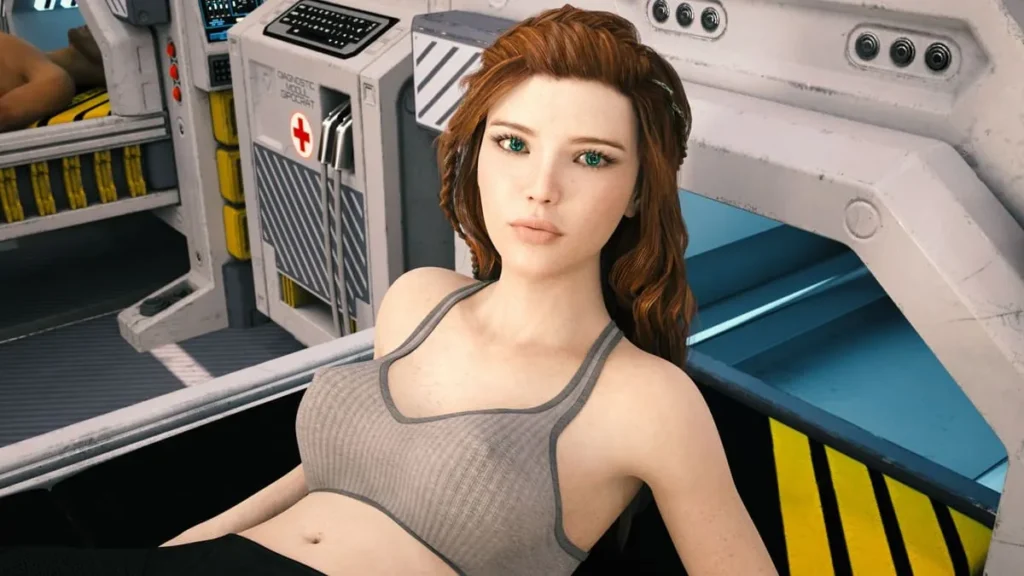
Tales from the Unending Void review
Explore the sci-fi visual novel adventure with aliens, choices, and immersive storytelling
Tales from the Unending Void stands out as a narrative-driven visual novel that combines science fiction storytelling with player choice mechanics. This space-faring adventure follows a petty nobleman and his diverse crew through the vast expanse of space, offering players multiple routes and character interactions. The game has garnered attention for its engaging character development, atmospheric world-building, and branching narrative paths. Whether you’re new to the game or looking to maximize your experience, understanding its core mechanics, story elements, and available content will enhance your journey through this expansive universe.
Gameplay Mechanics and Story Structure
So, you’ve booted up Tales from the Unending Void, ready for a space adventure, and maybe you’re wondering… how does this whole thing actually work? 🤔 If you’re new to the genre, the visual novel gameplay mechanics might seem passive at first glance. But let me tell you, this is where appearances are deceiving. This isn’t just a story you read; it’s a story you drive. Think of it less like a movie and more like being the lead actor, director, and screenwriter of your own personal sci-fi series. Every click, every choice, carves out a unique path through the stars.
At its heart, this game is a masterclass in interactive fiction. The core loop is beautifully simple yet deeply engaging: you absorb stunning artwork and a compelling soundtrack, read through character dialogue and descriptive text, and then, at critical moments, you are presented with decisions. These aren’t just flavor choices; they are the steering wheel for the entire sci-fi visual novel story. The brilliance lies in how these visual novel gameplay mechanics are implemented—they feel intuitive, weighty, and entirely in your hands. You’re not just along for the ride on the Star Chaser; you’re determining its course, its crew’s fate, and the very soul of its captain.
To get you started on the right foot, here’s a quick checklist of the key features that define this experience:
- Intuitive Choice Prompts: Decisions are presented clearly, with often subtle but meaningful context.
- Visible Relationship Metrics: Your standing with crew members is tracked, often reflected in their dialogue and scenes.
- A Living Codex & Gallery: Automatic logs of discovered lore and unlocked artwork for easy review.
- Branching Narrative Architecture: Early, seemingly small choices can open up or lock away entire story chapters later.
- Pacing that Builds: A deliberate start that establishes the world before escalating the stakes and content.
- Multiple Save Slots: Essential for exploring different Tales from the Unending Void routes without losing progress.
Now, let’s jump to lightspeed and break down exactly how you navigate this epic.
How Choice-Driven Narrative Works in the Game
The choice-driven narrative system in Tales from the Unending Void is its beating heart. This isn’t a game of obvious “good or evil” sliders or cryptic, guess-the-right-option puzzles. Instead, it presents you with decisions that feel authentic to the moment. Will you be a by-the-book captain or a rogue with a heart of gold? Do you prioritize the mission’s success or the well-being of your crew? The game constantly asks you to define who Captain Arcturus is.
What I love most is the transparency of consequence. You won’t see a pop-up saying “X character will remember that.” The feedback is woven directly into the story. A decision to trust a character here might lead to them having your back in a crisis three chapters later. Conversely, a harsh or dismissive comment can close off avenues of conversation, making a character more reserved or even hostile. The system teaches you to think like a real person in these situations, not like a gamer trying to min-max a score. It’s a choice-driven narrative system that values role-playing and consistency over trying to “win.”
My tip? Play your first run authentically. Go with your gut. That first, unspoiled journey is magical because the branching story paths feel like a direct result of your personality clashing with this strange universe.
I remember one early playthrough where I treated my synth officer, Iris, as purely a tool—a piece of ship’s equipment. My choices were efficient and cold. By the mid-game, our interactions were sterile and functional. She followed orders perfectly, but there was zero warmth or initiative. In another run, I chose to acknowledge her sentience, ask for her opinions, and defend her autonomy. The difference was staggering. She became not just an officer, but a confidante, offering unique insights and strategies that were never available on my colder path. That’s the power of this system; it doesn’t just change endings, it changes the entire texture of the journey.
Character Development and Relationship Building
If the choices are the steering wheel, then the crew of the Star Chaser is the engine. The character development in visual novels doesn’t get much better than this. Each character is a complex being with a past, biases, and evolving desires. Take Thim, the initially arrogant and unlikeable X’anel diplomat. Early on, it’s easy to write him off. But through consistent interaction—especially if you choose to be patient or challenge him in the right ways—he unfolds into one of the most nuanced personalities on the ship. His arc is a perfect example of how character development in visual novels can subvert expectations and deliver profound growth.
This growth is fueled by the game’s brilliant character relationship building mechanics. Your choices directly influence your “relationship score” with each character, even if it’s not always displayed as a number. This score unlocks special dialogue options, private scenes, and ultimately, determines whose personal quests become available and how they resolve. Want to get closer to the fierce mercenary Kaelen? You’ll need to show strength and respect, but also vulnerability. Curious about the mysterious botanist Lyra? Demonstrating genuine scientific curiosity and empathy for her work is key.
It’s a dance of personalities, and the game gives you the steps. The character relationship building feels organic because it’s not about giving gifts or completing repetitive tasks. It’s about making narrative choices that align with that character’s values during key story moments. It’s about listening and responding in a way that makes them feel seen.
To visualize this journey, here’s a look at how relationships and characters typically progress:
| Character | Initial Impression | Key Development Trigger | Potential End-State (Deep Bond) |
|---|---|---|---|
| Thim (X’anel Diplomat) | Arrogant, entitled, dismissive of “lesser” species. | Player consistently challenges his worldview with logic/compassion, or relies on his expertise in crises. | Becomes a strategic ally who questions his own culture’s dogma; shows loyalty and surprising humility. |
| Iris (Synth Officer) | Cool, hyper-efficient, seemingly emotionless AI interface. | Player acknowledges her sentience, seeks her opinion, and defends her autonomy. | Evolves beyond programming, displays emergent personality traits, humor, and fierce protectiveness. |
| Kaelen (Mercenary) | Brash, combat-focused, distrustful of authority. | Player demonstrates physical/strategic competence and shows trust by sharing command or personal stakes. | Transforms from a hired gun to a loyal friend, revealing a strong moral code beneath the rough exterior. |
| Lyra (Botanist/Scientist) | Reclusive, intensely focused on research, socially awkward. | Player shows genuine interest in her work, supports her experiments, and protects her from bureaucratic interference. | Opens up emotionally, becomes a vital problem-solver for biological threats, and shows deep gratitude. |
Navigating Multiple Routes and Endings
Here’s where your choices crystallize into entirely different realities. The Tales from the Unending Void routes are not just minor detours; they are fundamentally different storylines that focus on different characters, themes, and moral dilemmas. The game expertly plants seeds early on. A seemingly minor decision in Chapter 2 about how to handle a diplomatic incident might determine which faction trusts you in Chapter 6, which in turn opens up a specific route involving that faction’s central character.
The structure of these branching story paths is what demands—and rewards—multiple playthroughs. You’re not just replaying to see a “good” and “bad” ending. You’re replaying to experience a different story. One route might be a political thriller focused on unravelling a conspiracy within the Galactic Concord. Another might be a survival horror arc dealing with a terrifying alien bio-weapon. Another might dive deep into a personal romance and its complications amidst the chaos. The sci-fi visual novel story is rich enough to support all these genres seamlessly.
Finding all these Tales from the Unending Void routes is a puzzle in itself, and that’s where the game’s tools become essential. The Gallery and Codex are your best friends. The Gallery passively fills with CGs (special artwork) from scenes you’ve unlocked, serving as a visual map of your progress down a particular path. The Codex fills with lore entries about aliens, planets, and technology, and seeing what’s still blank can clue you into entire storylines you’ve missed. It’s a brilliant, non-intrusive way to track your exploration of this universe.
A word on pacing: the game starts deliberately, taking its time to establish the world, the ship, and the crew. Some might call this slow, but I see it as essential groundwork. This early investment makes the payoff exponentially greater. Once the story kicks into high gear, the delivery of dramatic scenes, character moments, and consequential choices becomes frequent and impactful. You come to care about these people and this ship, so when the void throws its worst at you, the stakes feel real.
Ultimately, navigating this game is about embracing its philosophy. It’s a sci-fi visual novel story with the depth and complexity of a premium television series, where your control over the narrative is the primary feature. It respects your intelligence, rewards your curiosity, and isn’t afraid to let your decisions lead to bittersweet or even tragic conclusions. So save often, in multiple slots, and don’t be afraid to leap into the unknown. The Unending Void is waiting to tell your tale. ✨
Tales from the Unending Void delivers a compelling blend of science fiction storytelling and interactive gameplay that appeals to players seeking meaningful narrative experiences. The game’s strength lies in its well-developed characters, intuitive choice system, and branching story paths that reward multiple playthroughs. From the initial slow-burn introduction to the escalating content delivery, the game maintains player engagement through quality character development and relationship mechanics. The addition of features like the gallery and codex enhances replayability and content discovery. Whether you’re drawn to the sci-fi setting, character interactions, or narrative depth, Tales from the Unending Void offers substantial content across its seasons. For players considering diving into this space adventure, understanding the gameplay mechanics and story structure will help you make the most of your experience and discover all the unique paths and character interactions the game has to offer.