
The Office
Play The Office
The Office Screenshots










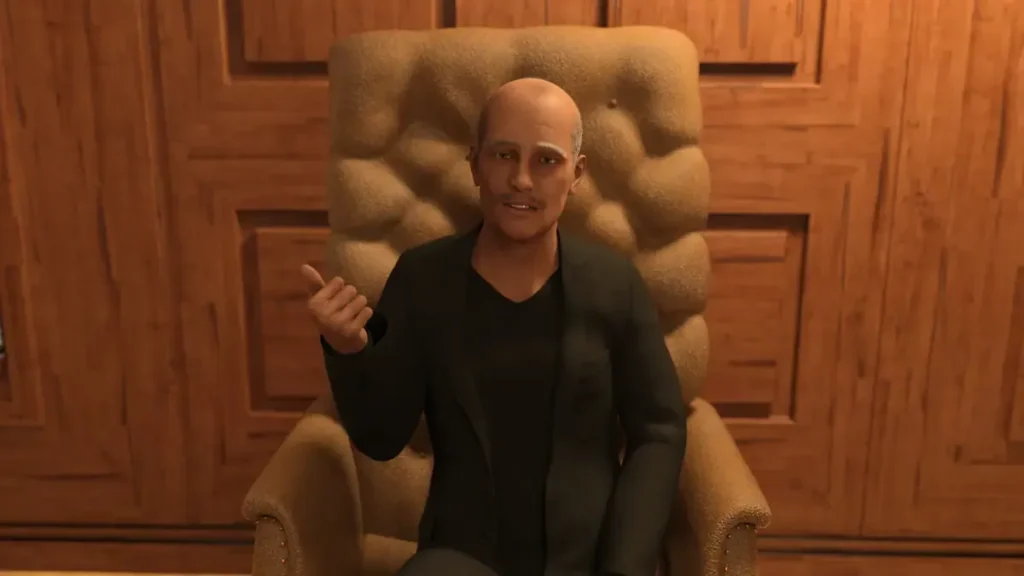





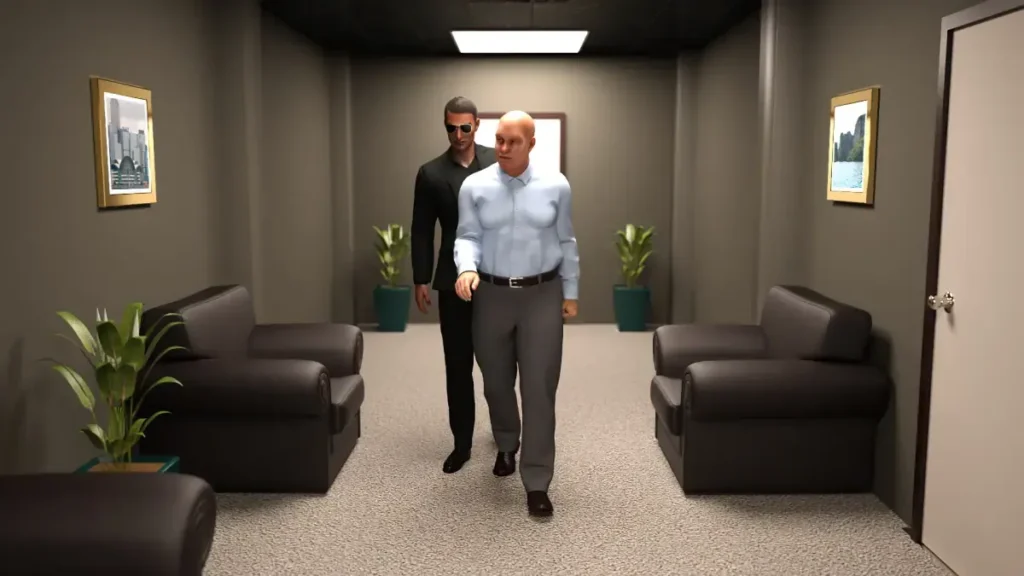









The Office review
Explore narrative choices, routes, and character interactions in this interactive story experience
Drama in the Office is an interactive narrative game that puts you in the role of a photographer working for a small agency. As you progress through the story, you uncover dark truths about your boss’s operations and face critical decisions that shape your character’s journey. This guide explores the game’s branching narrative structure, character relationships, and the different routes available to players. Whether you’re interested in understanding the game’s mechanics, exploring character development, or navigating the complex decision tree, this comprehensive walkthrough covers everything you need to know about this choice-driven experience.
Understanding Drama in the Office: Game Overview & Story Structure
Ever felt like your job was a bit… too interesting? 🕵️ That’s the delicious premise of Drama in the Office game, an experience that pulls you into a world of corporate secrets and personal intrigue. Forget passive watching or simple tapping; this is a choice-based story game where you don’t just witness the drama—you author it. Every decision you make, from a casual coffee chat to a risky investigation, tangles you deeper in a web of relationships and revelations, proving that the most dangerous office equipment isn’t the printer, but a whispered secret.
At its heart, this is an interactive narrative game mechanics masterpiece. You’re placed in a small, seemingly normal creative agency, but the clock is ticking, and everyone has something to hide. Your mission? To survive, thrive, and uncover the truth, all through the power of your choices. Let’s pull back the curtain on how this captivating story is built.
What is Drama in the Office and How Does It Work?
So, what exactly is this experience? Imagine a book where you control the protagonist’s every move, or a TV show where you yell at the screen and it actually listens. Drama in the Office game is a digital narrative where you are the main character. The core loop is brilliantly simple yet profoundly deep: you read a segment of the story, face a meaningful decision, and live with the consequences that reshape everything that follows. It’s a branching narrative structure brought to life.
The entire journey is structured around a game decision system that tracks your every move. Think of it like a complex flowchart hidden beneath the surface. Choosing to trust a coworker with sensitive information opens up one branch of the story, while keeping it to yourself sends you down a completely different corridor, locking some doors and opening new ones you never knew existed. This isn’t about “right” or “wrong” choices; it’s about crafting your version of the story.
To give you a quick snapshot before we dive deeper, here’s a breakdown of the core framework:
| Core Aspect | Description |
|---|---|
| Experience Type | Interactive Narrative / Choice-Driven Story |
| Your Role | A new photographer at a clandestine agency |
| Primary Mechanic | Branching narrative activated by player decisions |
| Story Driver | Uncovering the boss’s deceptive business practices |
| Key Systems | Relationship tracks, hidden consequence flags, timeline-based progression |
| End Goal | Multiple unique endings based on accumulated choices |
This framework means your agency as a player is real. The interactive narrative game mechanics are designed to make you feel the weight of every interaction. From my first playthrough, I learned this the hard way. I played the charming, nosy newcomer, prying into everyone’s business thinking I was clever. By the second week in-game, two key colleagues were frosty towards me, a crucial piece of evidence was hidden from me, and I was completely blindsided by an “ending” that felt like a slap in the face. It was a perfect lesson: this world reacts, remembers, and retaliates. 😅
The Core Narrative: Your Role as a Photographer
You step into the shoes of a talented photographer who’s just landed a gig at a boutique agency. 🎉 On the surface, it’s a dream job—creative projects, interesting colleagues, and a charismatic boss. But faster than you can say “company retreat,” you’ll sense something is off. The assignments are a little too secretive, the client meetings are unusually discreet, and the boss’s stories don’t always add up.
Your primary role is dual-natured: complete your photographic assignments while quietly investigating the true nature of the agency’s operations. This is where the genius of the Drama in the Office game premise shines. Your camera isn’t just for art; it’s a potential tool for gathering proof. A conversation in the break room isn’t just gossip; it’s a source of intelligence. This constant duality creates wonderful tension—do you focus on being the perfect employee to climb the ranks, or do you risk it all to expose the corruption?
The setting is a character in itself. The small agency environment means you’ll constantly bump into the same people—the ambitious project manager, the cynical veteran designer, the friendly-but-possibly-naive intern. This intimacy fuels the character relationship mechanics. You can’t avoid anyone, so you must actively manage these connections. Be overly friendly with one person, and their rival might view you with suspicion. Side with the boss too openly, and the rest of the team might shut you out of their circle of trust.
Pro Tip: On your first day, pay close attention to how people talk about the boss and the company’s big “successes.” The subtext in those early dialogues is often a treasure map, hinting at which alliances might be most valuable—or dangerous—down the line.
The discovery of the boss’s true operations is a slow burn, masterfully paced across the story progression and endings. You’ll start with minor inconsistencies—a blurred face in a client photo, a payment listed under a vague code name. These early clues are optional; you can choose to ignore them and focus on your career. But if you pursue them, they begin to connect, forming a picture far more alarming than you imagined. This investigative thread is woven directly into the branching narrative structure. Choosing to dig for clues might advance the “truth” plotline but could damage your standing at work, leading to a completely different set of challenges and potential endings than a loyalist path.
How Choices Shape Your Story Path
This is where the magic happens. The game decision system in Drama in the Office game is anything but superficial. It’s a complex, interwoven web where a single choice in Week 1 can echo loudly in Week 4. Let’s break down how your decisions truly shape the journey.
First, understand the types of choices you’ll face:
* Relationship Choices: These directly affect your bond with other characters. Do you comfort a stressed colleague or politely distance yourself? This builds (or erodes) invisible “relationship points” that unlock future dialogue options, special scenes, or even determine who will help you in a crisis.
* Ethical/Moral Choices: The core of the investigation. Do you secretly copy a suspicious file, respecting your curiosity and sense of justice, or do you respect “client confidentiality” and close the folder? These choices often define your character’s morality and steer you toward specific endings.
* Professional Choices: How do you handle your work? Do you take a risky, creative approach to a project to impress, or play it safe? These affect your reputation within the agency and your career progression.
The branching narrative structure means these choices aren’t isolated. They compound. Early on, I once chose to help the intern cover a minor mistake. It seemed inconsequential. Weeks later, when I was desperately trying to access a locked server room, that same intern, now trusting me, “found” a spare access code “by accident.” The game had remembered that small kindness and paid it back in a huge way. This is the interactive narrative game mechanics at their finest—creating a living story that feels personally tailored.
The progression is neatly organized into weeks and days, providing a clear sense of time pressure. As days pass, opportunities arise and vanish. A clue not followed up on today might be gone tomorrow. This temporal structure is crucial for the story progression and endings. Your path is constantly being pruned and grown based on your actions.
| Your Early Decision (Example) | Potential Long-Term Consequence | Impact on Ending |
|---|---|---|
| Confront the boss about a small lie early on. | You are marked as “untrustworthy” or “bold.” Future private information is withheld from you, altering available clues. | Could lock you out of corporate success endings, but may open up “lone whistleblower” paths. |
| Build a strong alliance with a particular department head. | Gain access to their network and resources, making certain investigative tasks easier but making you indebted. | Could lead to a “power duo” ending or a “compromised accomplice” ending based on later choices. |
| Focus purely on your photography, ignoring office politics. | You remain an outsider. Relationships are neutral, and you miss key plot threads, but your professional portfolio shines. | Likely results in an ending where you leave the agency for a better job, blissfully unaware of the deeper secrets. |
For your first playthrough, my strongest piece of actionable advice is this: play authentically. Don’t try to “game” the system or guess the “best” outcome. Go with your gut. Are you naturally suspicious? Follow that instinct. Are you a people-pleaser? Lean into it. The beauty of this choice-based story game is that every path is valid and reveals a different facet of the narrative. There is no single “true” story—only your story.
The character relationship mechanics and the overarching game decision system work in concert to ensure that no two playthroughs are identical. You might replay to see a different outcome and find entire subplots and character backstories that were completely invisible your first time around. This incredible depth of reaction and consequence is what makes exploring the Drama in the Office game not just a pastime, but a truly personalized narrative adventure. Your curiosity, your morals, and your interpersonal skills are the only tools you need—use them wisely, and see where your story leads. 🔍✨
Drama in the Office delivers a complex interactive narrative experience where your decisions genuinely shape the story’s direction and character outcomes. From your initial choice between following Ernie or Monika to navigating relationship branches with characters like Himawari Minamoto, every decision carries weight in determining which route you travel and how your story concludes. Understanding the game’s branching structure, character mechanics, and decision consequences allows you to intentionally craft your narrative experience or discover new paths through multiple playthroughs. Whether you’re drawn to the Romance route’s protective storyline or curious about the Seduction route’s alternative narrative, Drama in the Office offers substantial replay value through its interconnected choice system. As you progress through the weeks, pay attention to how unavailable options reveal your prior decisions’ impact and use this knowledge to explore different character relationships and story outcomes on subsequent playthroughs. The game rewards careful attention to dialogue, character reactions, and decision timing, making each playthrough a unique exploration of the agency’s mysteries and your character’s journey.