The Sin Within
Play The Sin Within
The Sin Within Screenshots
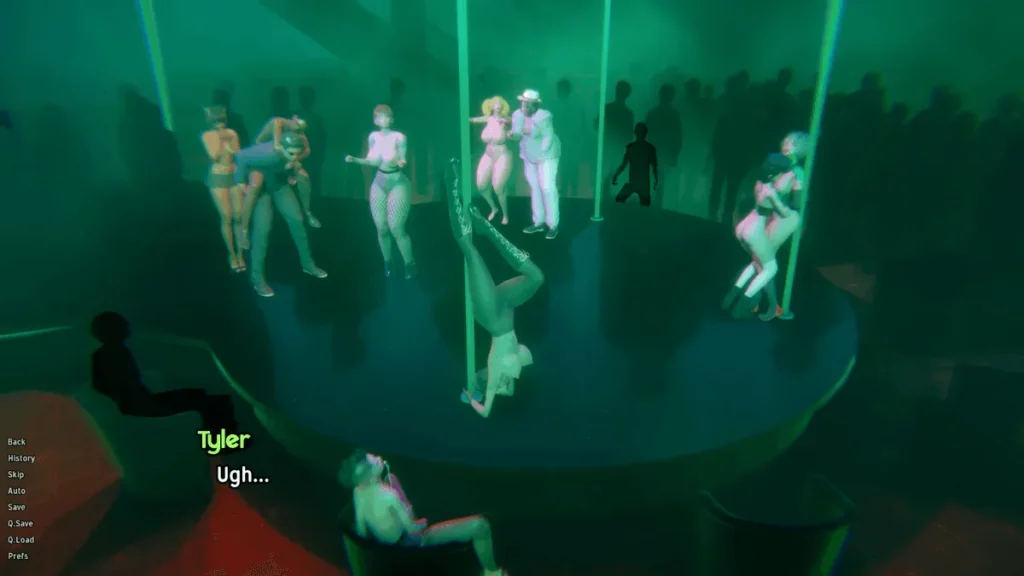
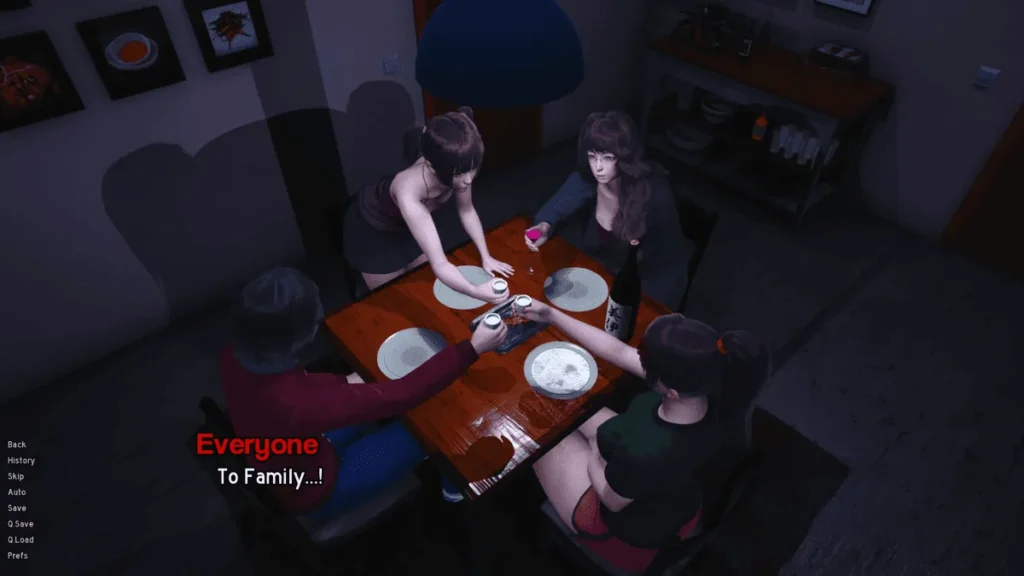
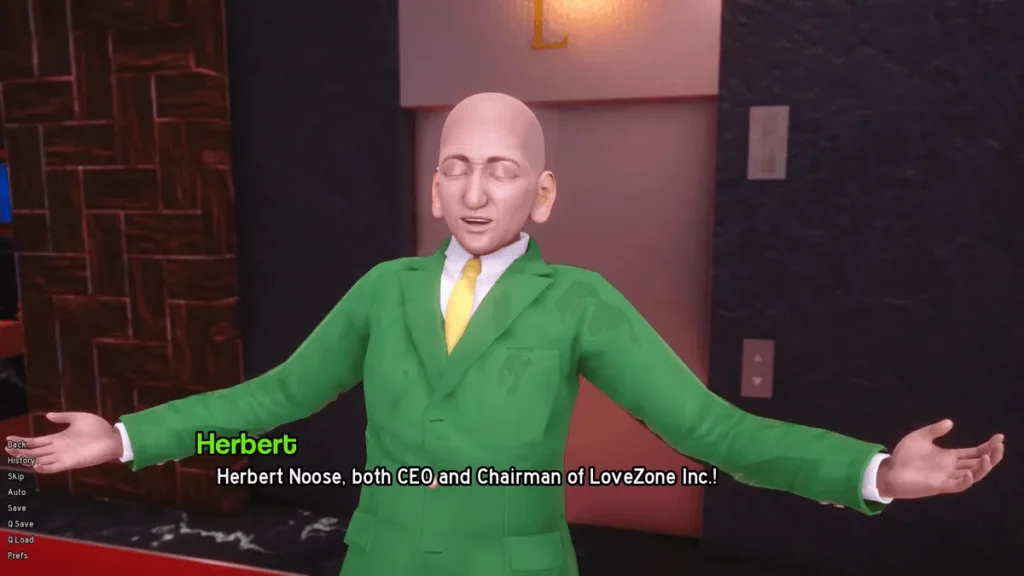
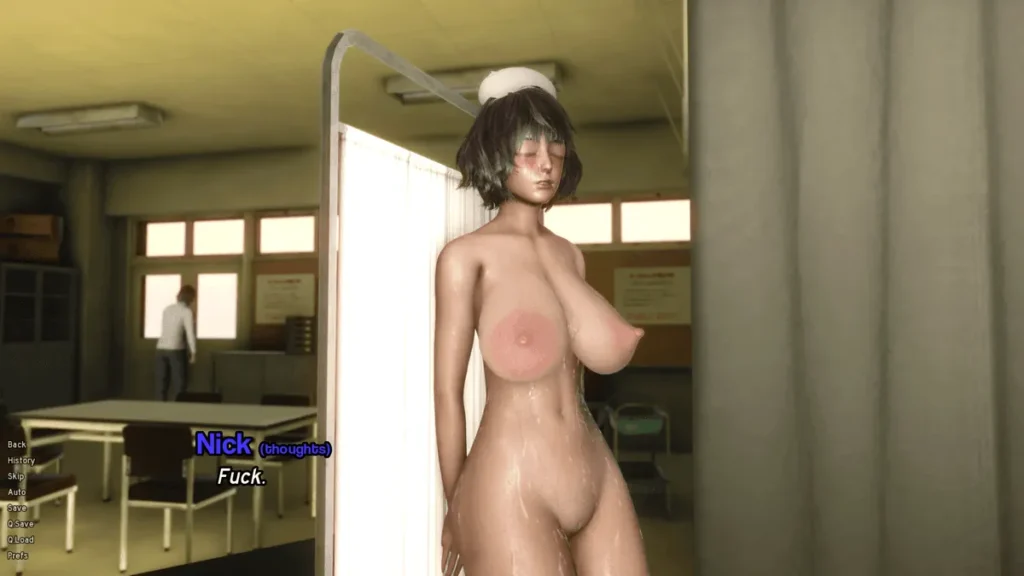
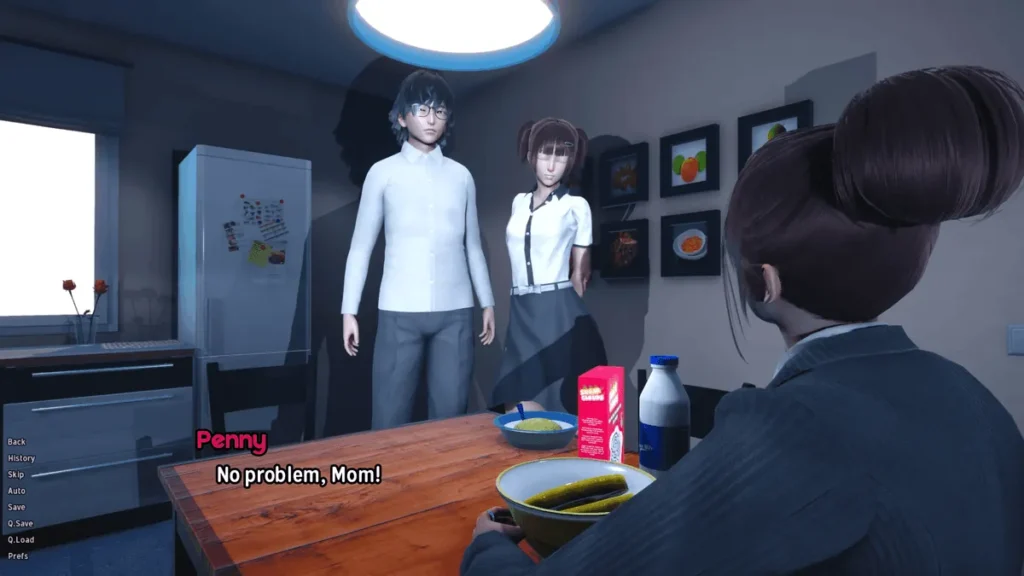
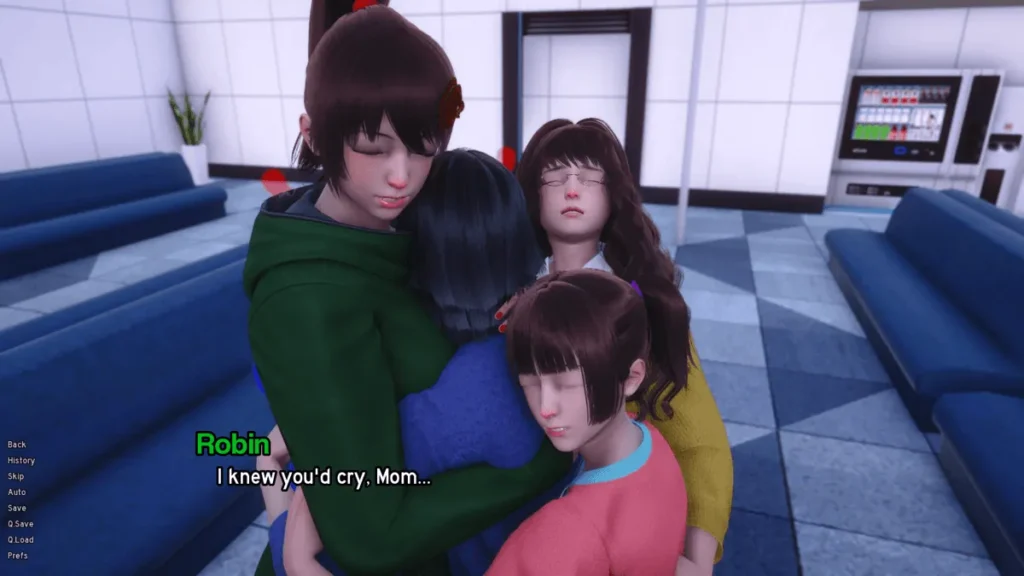
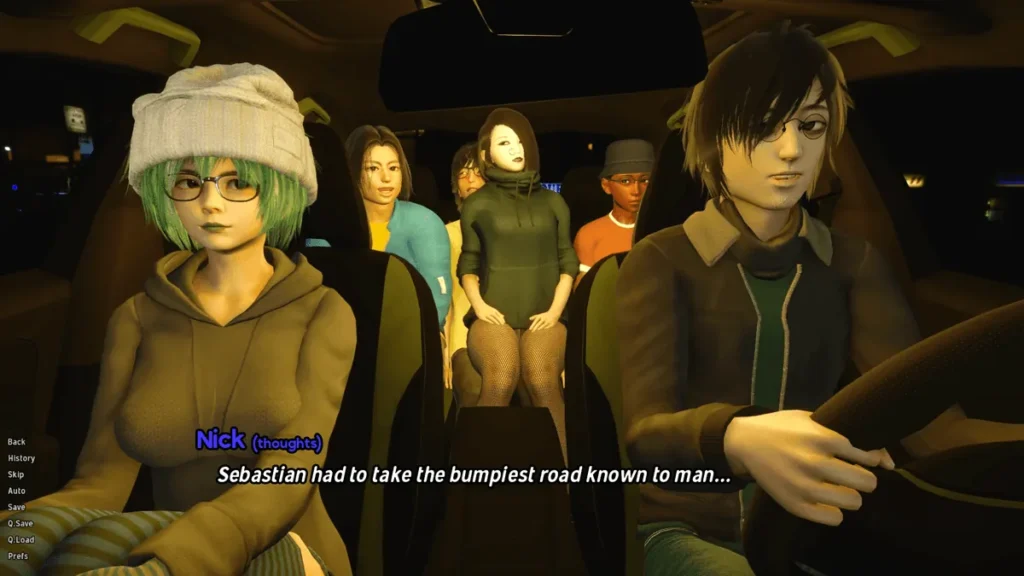
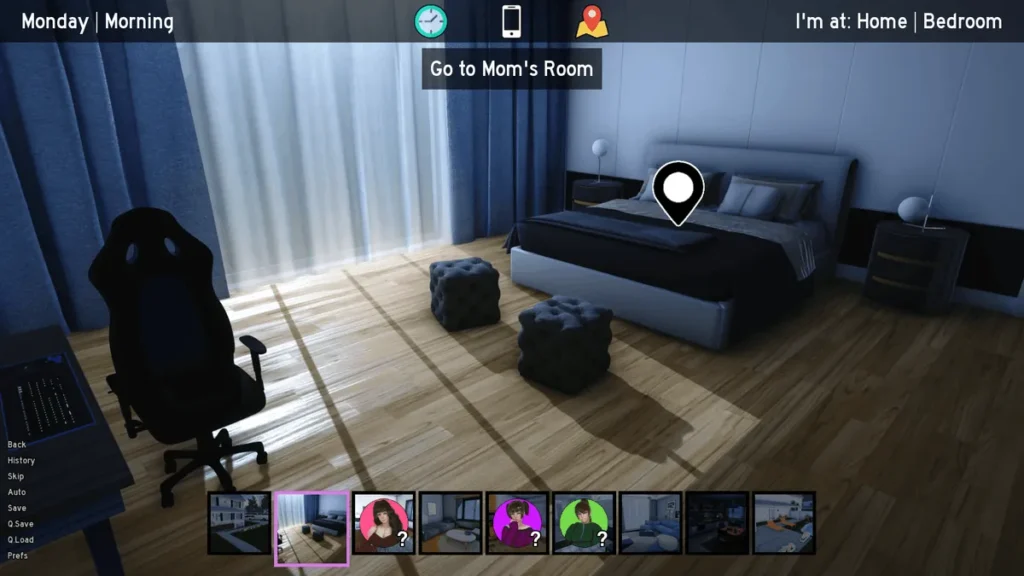
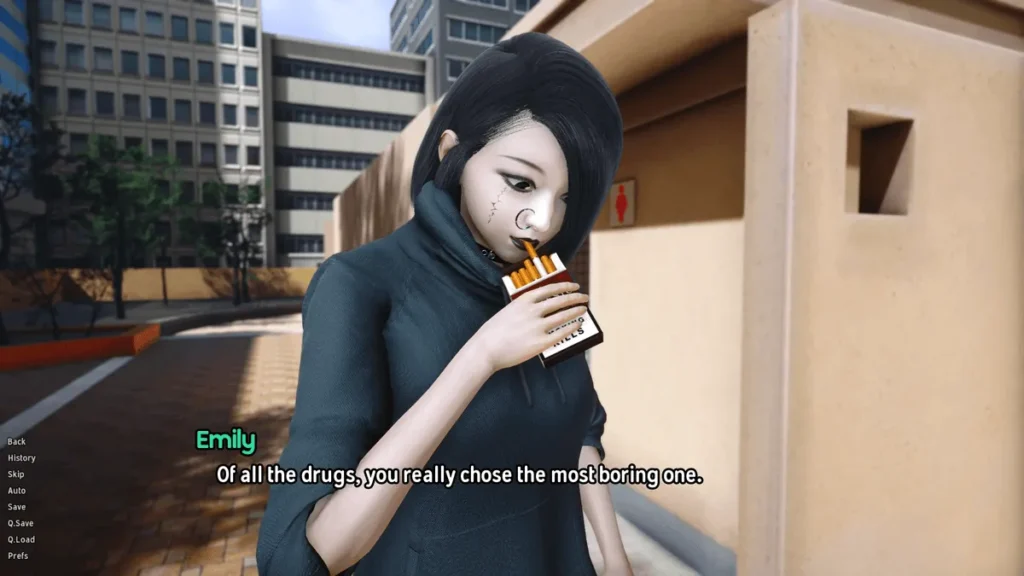
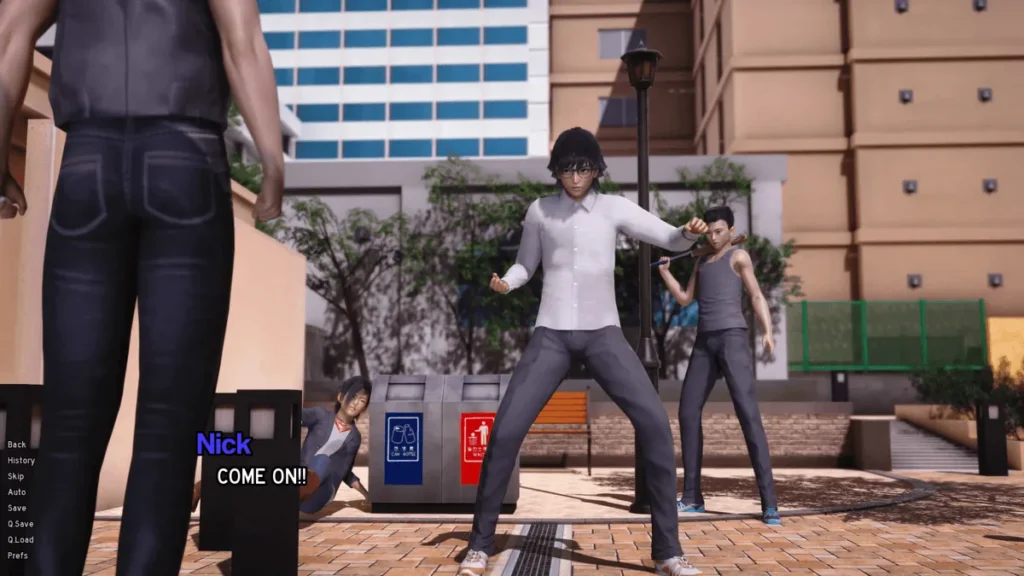

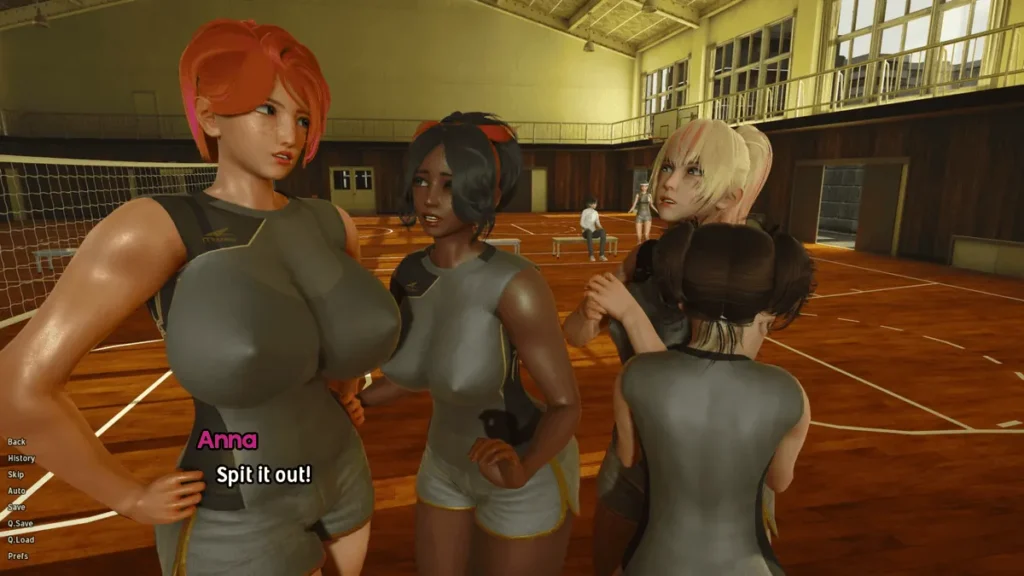
The Sin Within review
Explore the sandbox visual novel with dynamic storytelling and character progression
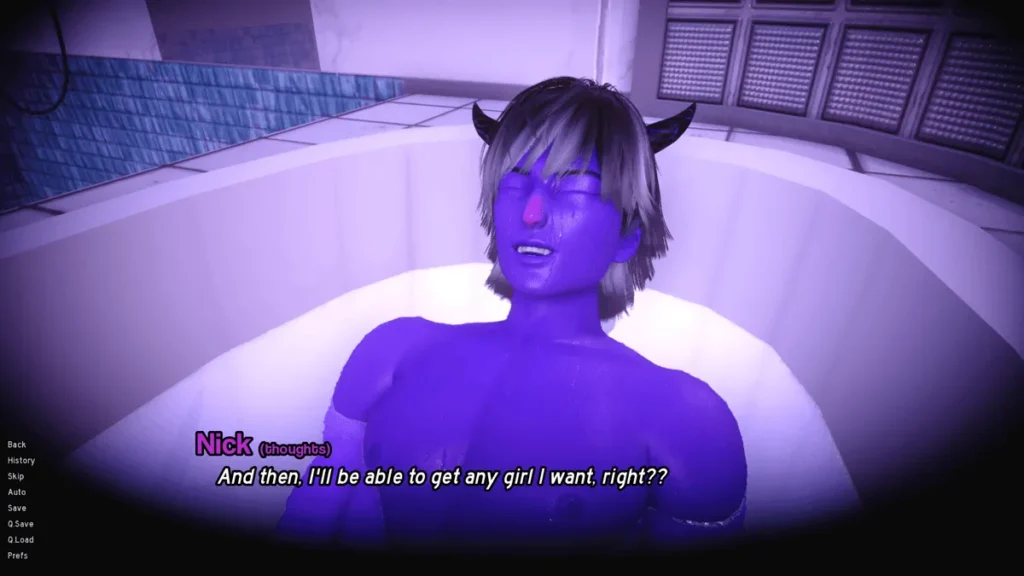
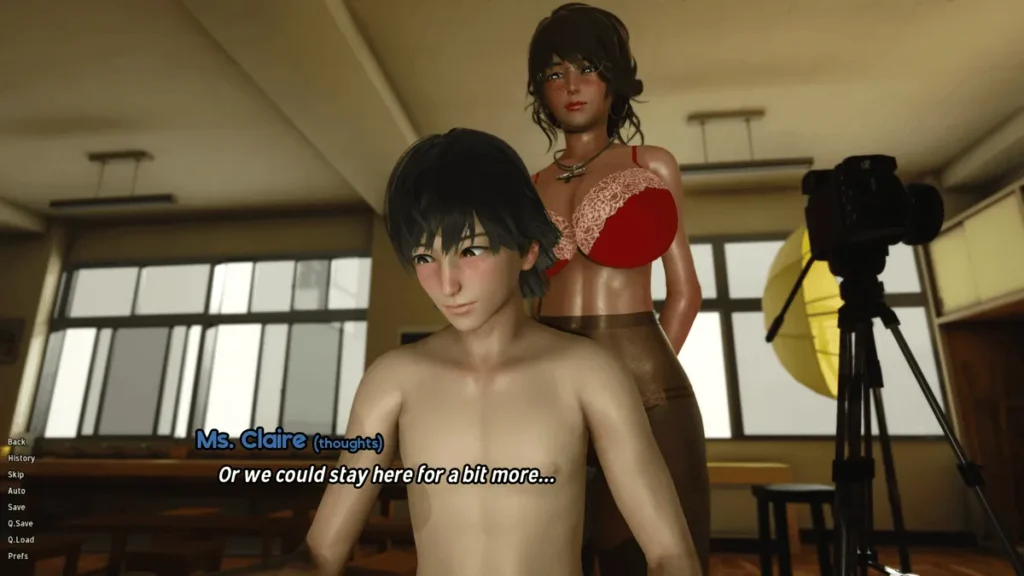
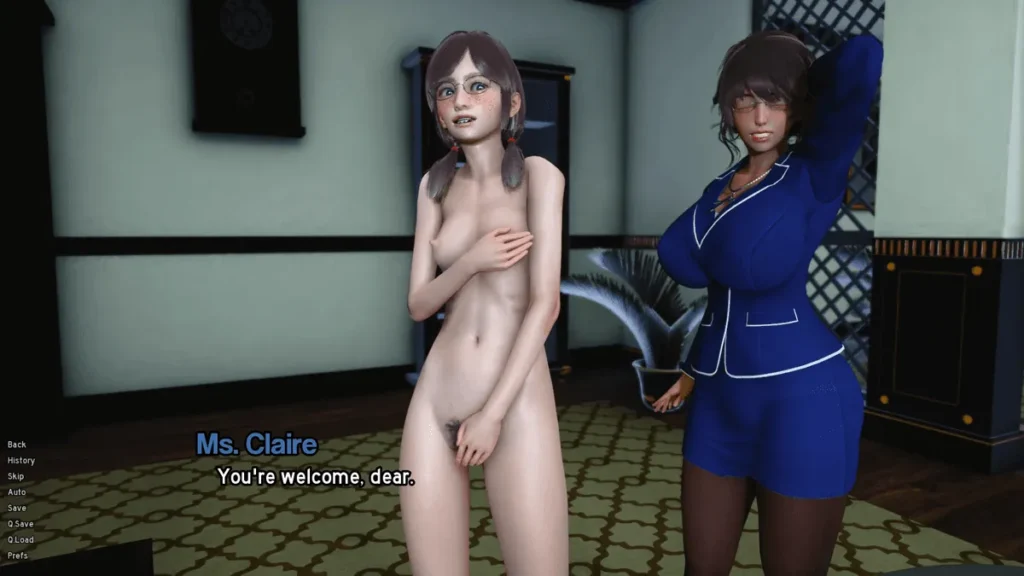
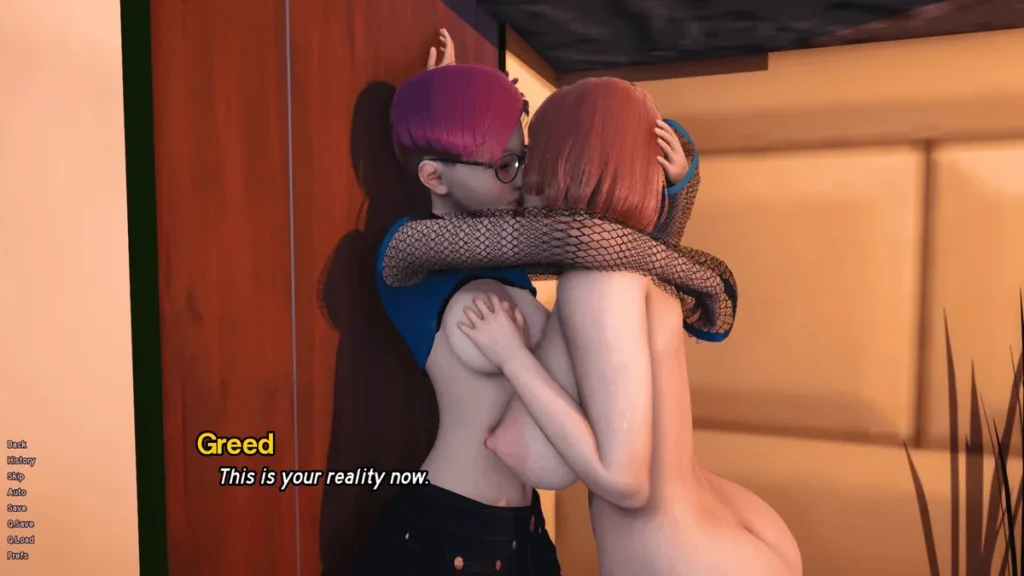
The Sin Within stands out as an ambitious sandbox visual novel that combines linear storytelling with open-world exploration. Developed by Cigar Rex, this game features over 15,000 images and 30,000 lines of dialogue, creating an immersive experience centered around character relationships and moral choices. Whether you’re interested in the game’s unique structure, character progression system, or development journey, this guide covers everything you need to know about this evolving title.
Game Structure and Design Philosophy
Ever booted up a massive open-world game, been dumped on a huge map, and just felt… lost? 😵 You have all this freedom, but no idea who you are, what you’re supposed to care about, or why any of it matters. It’s a paradox of choice without purpose. I’ve quit more than a few games because the world felt like a beautiful, empty shell. This is the classic pitfall of open world storytelling—scope without soul.
Now, imagine a game that hands you a rich, gripping story with characters you instantly connect with, but every scene is on rails. You’re just clicking to see the next pre-determined beat. That’s the traditional visual novel experience. Powerful, but passive.
What if you could have both? A deep, authored narrative and the freedom to live in that world on your terms? This is the brilliant, central question The Sin Within answers. It’s not just another game; it’s a masterclass in a new kind of game structure design. It asks: how do you build a world that feels alive with story, yet truly open for play? The answer lies in its genius hybrid model. 🧠
Understanding the Sandbox-Story Hybrid Model
So, what exactly is a sandbox visual novel? Let’s break it down. A traditional visual novel is primarily a linear narrative experience. Your interaction is mostly about making key choices that branch the story. A sandbox game is about free-form play in a systemic world—exploring, experimenting, and creating your own fun. The Sin Within fuses these two seemingly opposite concepts into one cohesive experience.
Think of it like this: the game provides the deep, emotional script and complex characters of a premium visual novel. But instead of just navigating menus or dialogue trees to the next cutscene, you inhabit a persistent world. You walk through the city streets, decide who to visit, choose how to spend your days and nights, and pursue goals at your own pace. The narrative doesn’t happen to you; it unfolds around you, driven by your actions and schedule. This creates a narrative-driven sandbox where every interaction, no matter how small, feels part of a larger, personal story.
The magic is in the systems. Your character’s stats, relationships, resources, and mental state are all living, breathing systems. Deciding to spend the afternoon working a part-time job isn’t just a flavor text choice; it earns you money, consumes time, and might affect your stress level. Using that money to buy a nice gift for another character could shift your relationship with them, unlocking new story branches later. This is the core of how does The Sin Within work. It replaces a rigid narrative flowchart with a dynamic web of interconnected systems, where your daily life becomes the story.
This design philosophy is a game-changer. It transforms the player from a reader into a resident, from a spectator into a protagonist who truly lives inside the tale.
How The Sin Within Balances Linear Narrative with Open Exploration
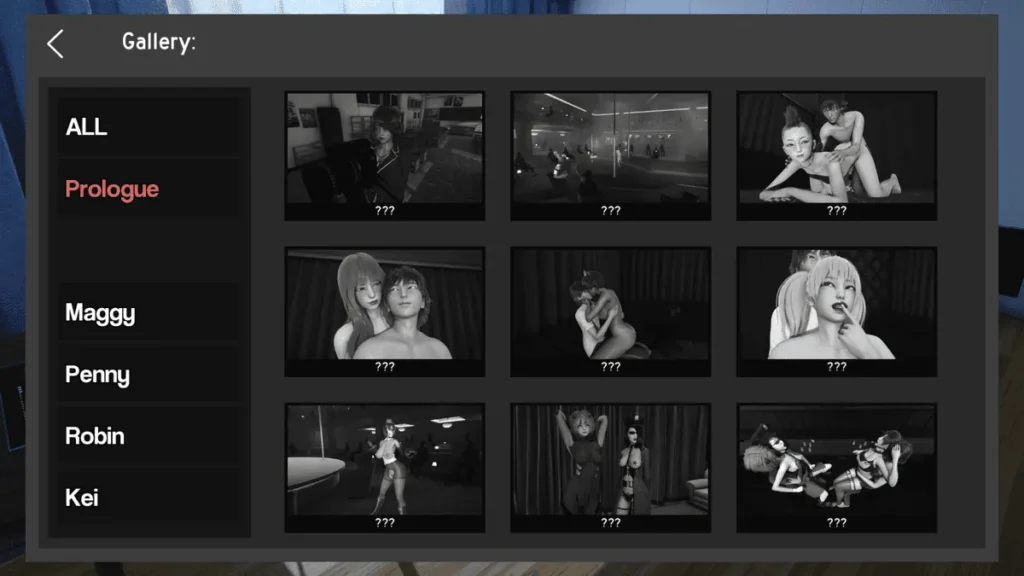
Here’s where many ambitious games stumble. Total freedom from minute one can be overwhelming and narratively hollow. Conversely, locking the player into a 20-hour story before granting any agency feels restrictive. The Sin Within employs a brilliantly simple yet effective solution: the linear prologue gameplay phase.
Before you’re unleashed into the open world, you play through a tightly crafted, story-intensive introduction. This isn’t a mere tutorial on controls. This is essential, foundational storytelling. It establishes:
* The Core Conflict: What is the central “sin” or mystery haunting the world and your character?
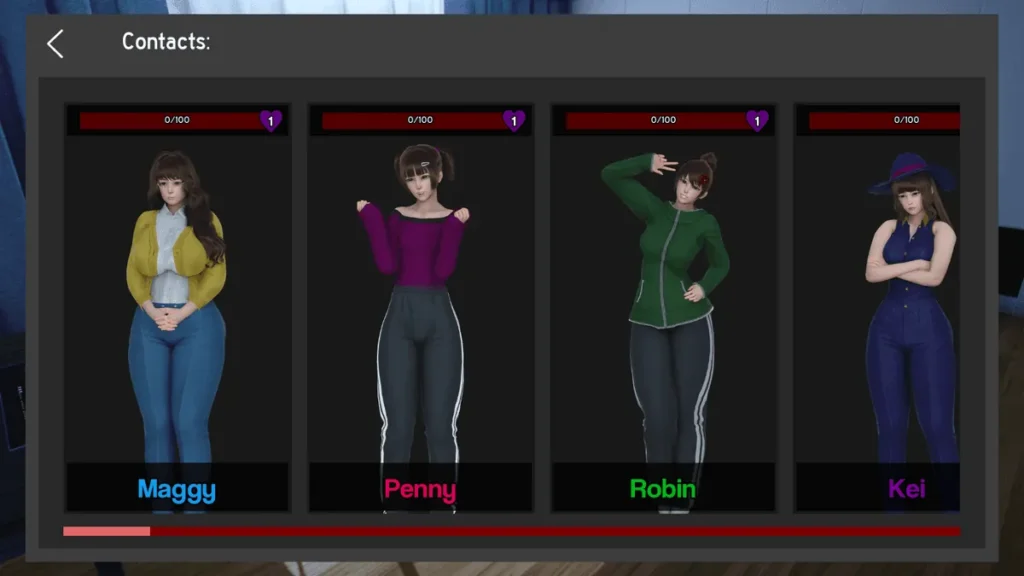
* Key Relationships: Who are the major players? What are your existing bonds, tensions, and histories with them?
* The Protagonist’s Motivation: Why should you, the player, care about pursuing goals in this world?
* The Rules of the World: What can you do? What are the stakes? How do the core systems like the character progression system function?
This approach is reminiscent of games like Kingdom Come: Deliverance, where Henry’s life in Skalitz is brutally disrupted in a linear sequence, giving profound weight and context to everything that comes after. In The Sin Within, the prologue does the same emotional heavy lifting. It makes the subsequent freedom meaningful because you understand exactly what you’re fighting for and who you’re fighting alongside (or against!).
Once the prologue concludes, the world opens up. This is where the sandbox visual novel elements shine. The main plot doesn’t vanish; it becomes a series of major threads you can pursue at your leisure. Meanwhile, dozens of side stories, character-specific arcs, and world-building activities become available. The balance is perfect: you always have a guiding narrative light, but you’re free to wander into the shadows and discover your own stories.
| Linear Prologue Phase | Open Sandbox Phase |
|---|---|
| Focused, directed narrative experience | Player-directed exploration and story pursuit |
| Establishes critical story beats and emotional context | Allows narrative beats to breathe and evolve based on player choice |
| Teaches core game systems in a controlled environment | Players experiment with and master systems to achieve their goals |
| Builds a foundational connection to key characters | Enables deep, optional relationship building with a wider cast |
This structure ensures the open world storytelling never feels shallow. Every location you visit, every side character you meet, was introduced or hinted at with purpose during the prologue. The world feels deep because you received the primer needed to appreciate its depth. You’re not just exploring a map; you’re investigating the aftermath of the prologue’s events, following up on leads, and dealing with the consequences of established relationships.
Why Prologue-Based Design Matters for Player Experience
You might wonder, “Why not just let me loose from the start?” 🤔 From a design perspective, the linear prologue gameplay is the secret sauce that makes the entire sandbox visual novel recipe work. It’s a deliberate, player-friendly design choice that solves three major problems common to open-world games.
1. It Prevents Narrative Overload and Confusion.
Being dropped into a bustling world with ten quest markers, a cryptic journal, and a cast of strangers with unfamiliar names is a surefire way to trigger analysis paralysis. The prologue acts as a narrative filter. It introduces information gradually and dramatically. By the time the sandbox opens, you’re not a confused tourist; you’re an informed participant with clear goals and contextual knowledge. You understand why helping the local shopkeeper might tie back to the main mystery, or why avoiding a certain district is a good idea.
2. It Creates Emotional Investment Before Granting Agency.
Freedom is most powerful when you care about the consequences. The prologue in The Sin Within is designed to make you care, deeply. Through its crafted story, it forges bonds, creates enemies, and presents dilemmas. When you finally get control, your choices have weight because you’re invested in the characters and the outcome. You’re not making abstract “good” or “evil” choices; you’re making decisions that affect people you feel you know. This emotional groundwork is what separates a meaningful choice from a mere menu selection.
3. It Provides a Cohesive Framework for the Character Progression System.
A character progression system in a vacuum is just a set of numbers. The prologue contextualizes your growth. You start the sandbox phase not as a blank slate, but as a character with a defined baseline—certain skills are higher because of your backstory, certain relationships are already leveled up. This makes progression feel like a natural extension of your character’s journey, not just an abstract grind. You’re not raising a “Speech” skill to see a bigger number; you’re learning to be more persuasive to achieve a very specific story goal you discovered hours ago.
In my own playthrough, the prologue concluded with a moment of profound personal failure for my character. When the world opened up, that failure wasn’t just a memory; it was my primary motivation. The open world storytelling tools were now in my hands to seek redemption, but the reason I wanted to use them was baked into my soul by that initial linear sequence. That’s the power of this design.
The Sin Within demonstrates that the best game structure design respects both the author’s story and the player’s freedom. It proves that a narrative-driven sandbox isn’t a contradiction, but an evolution. By using a linear foundation to support an open-world structure, it delivers an experience that is both epic in scope and intimate in detail. You are given the keys to a vast, living world, but you are never left wondering where to drive or why the journey matters. That is the true innovation at the heart of how does The Sin Within work—a guide that knows when to hold your hand and when to set you free. 🌟
The Sin Within represents an ambitious approach to visual novel design, successfully merging sandbox freedom with compelling narrative structure. Through its hybrid prologue-sandbox model, extensive character relationship system, and massive content library, the game offers players a unique experience that continues to evolve. Whether you’re drawn to the character progression mechanics, moral decision-making, or the sheer scale of content, The Sin Within delivers a comprehensive gameplay experience. As development continues with regular updates and new content additions, players can expect the story to deepen and expand, making it worth revisiting as the game progresses toward completion.