Twisted Memories
Play Twisted Memories
Twisted Memories Screenshots
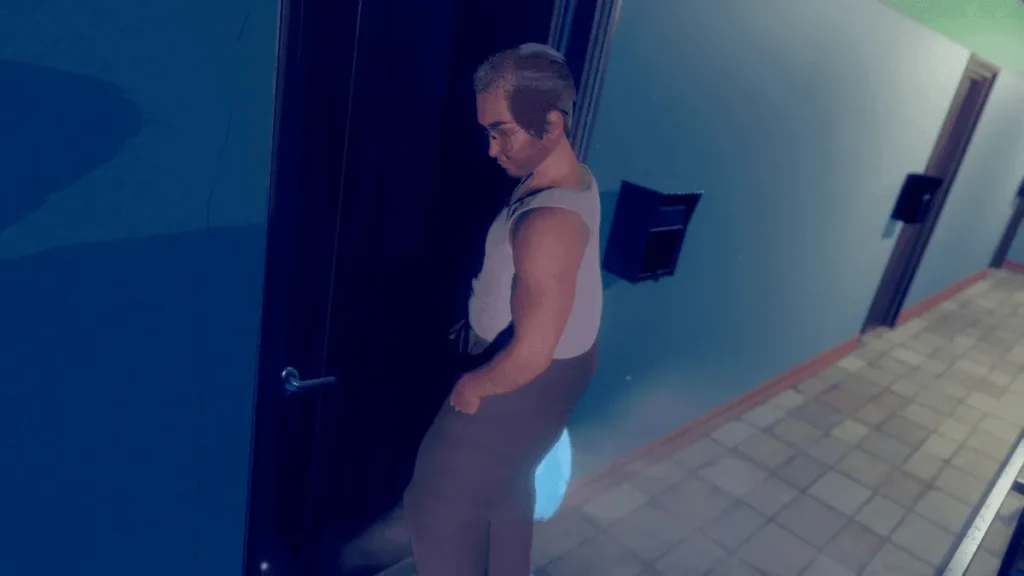
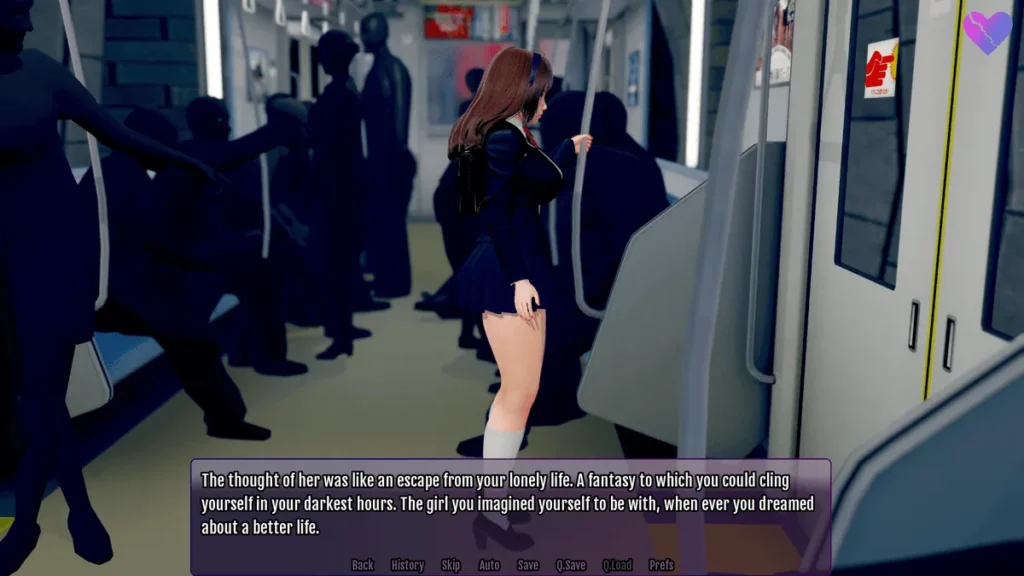
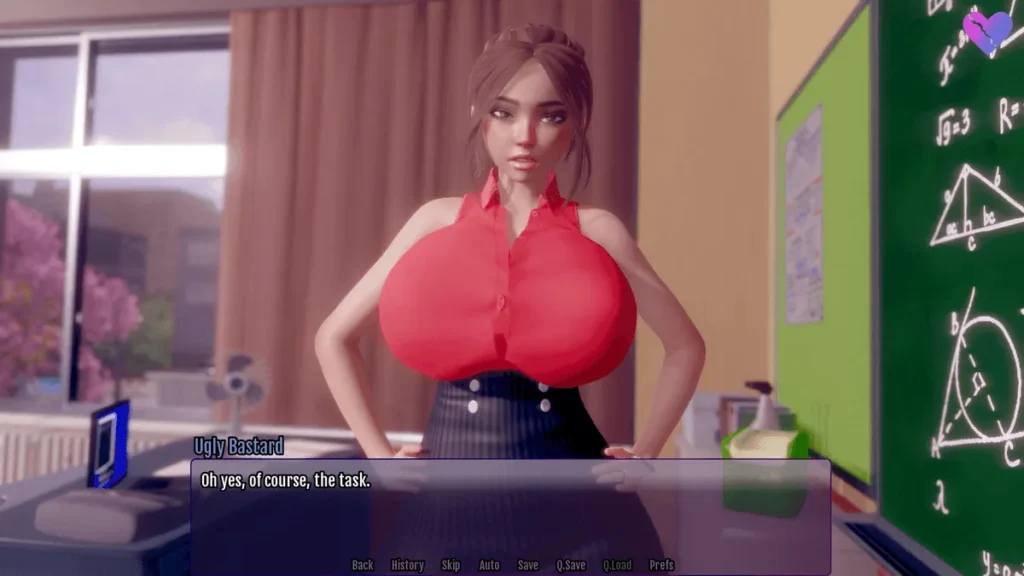
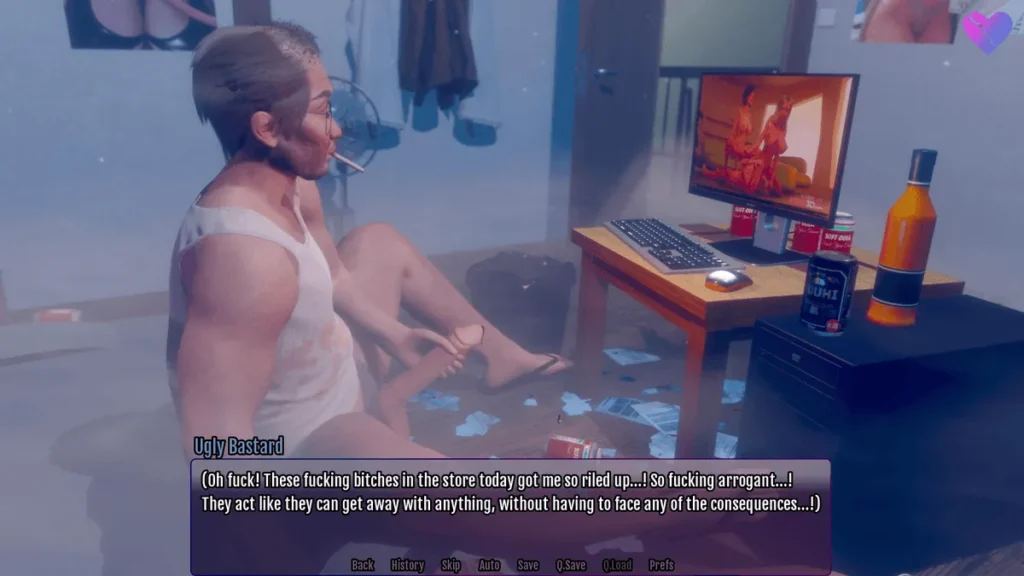
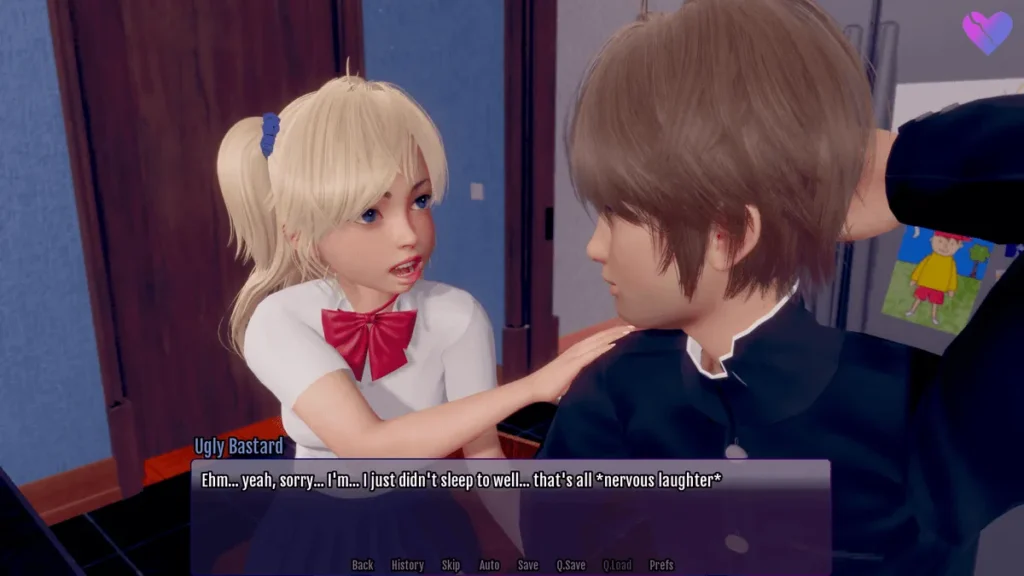
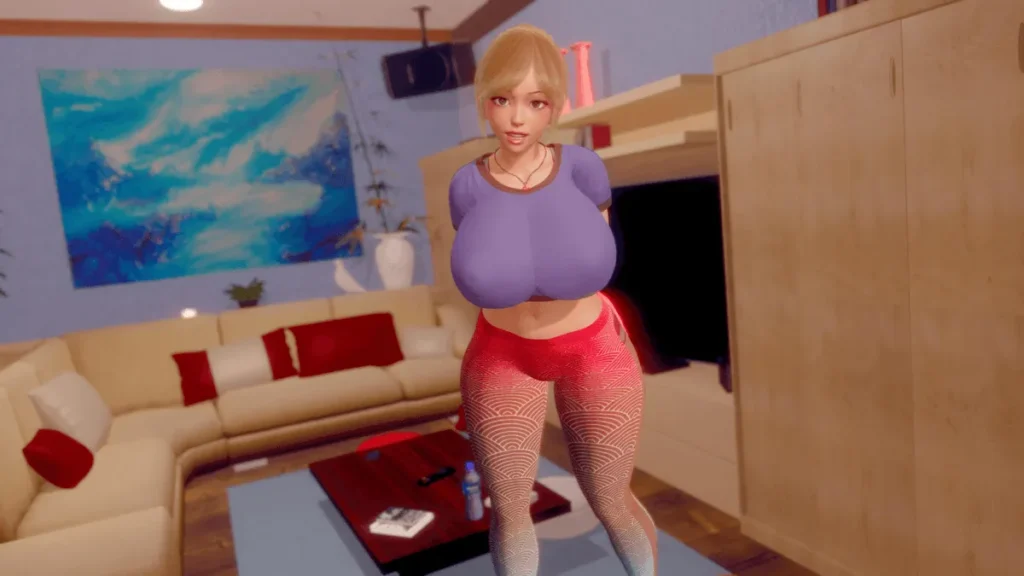
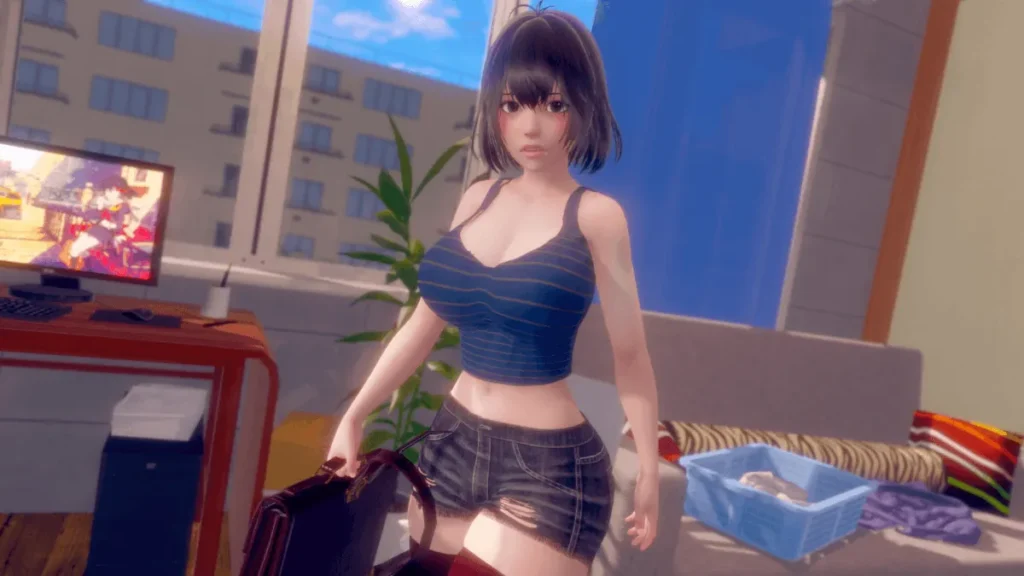
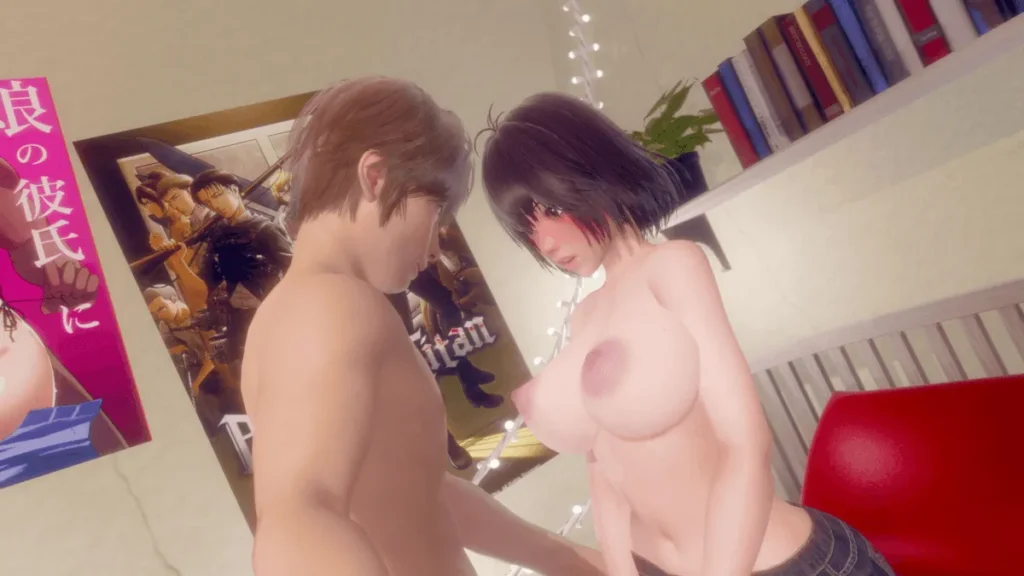
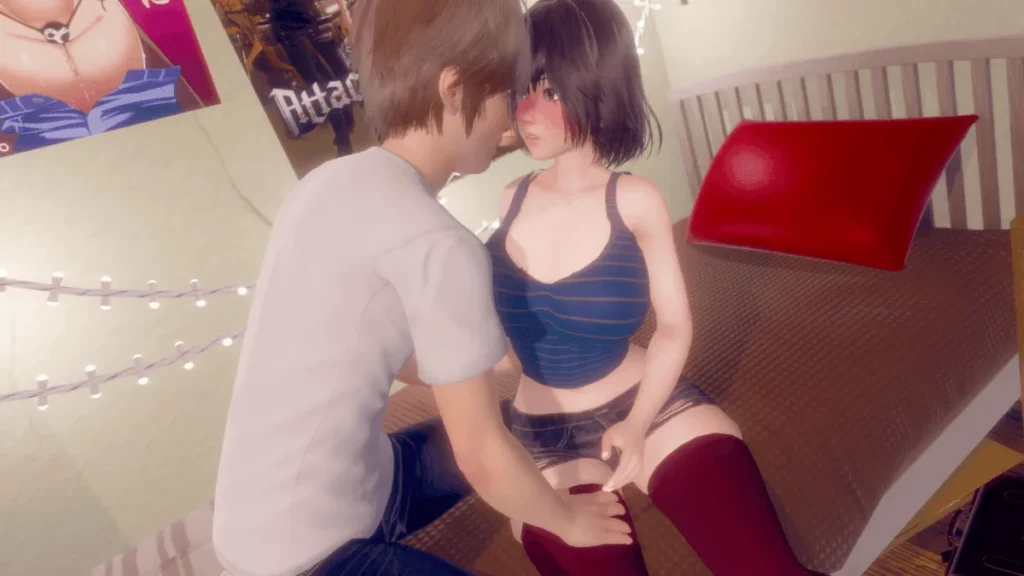

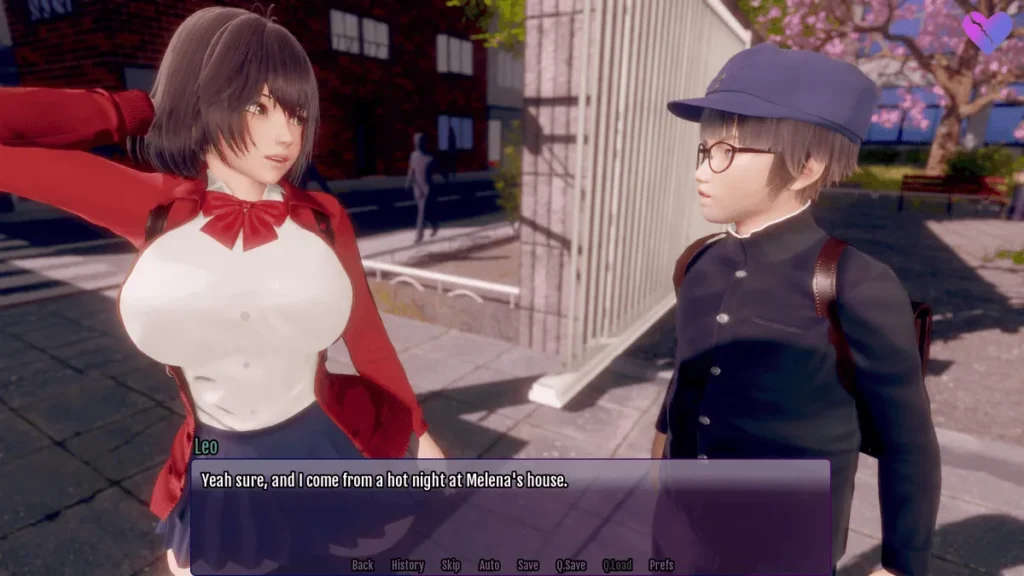
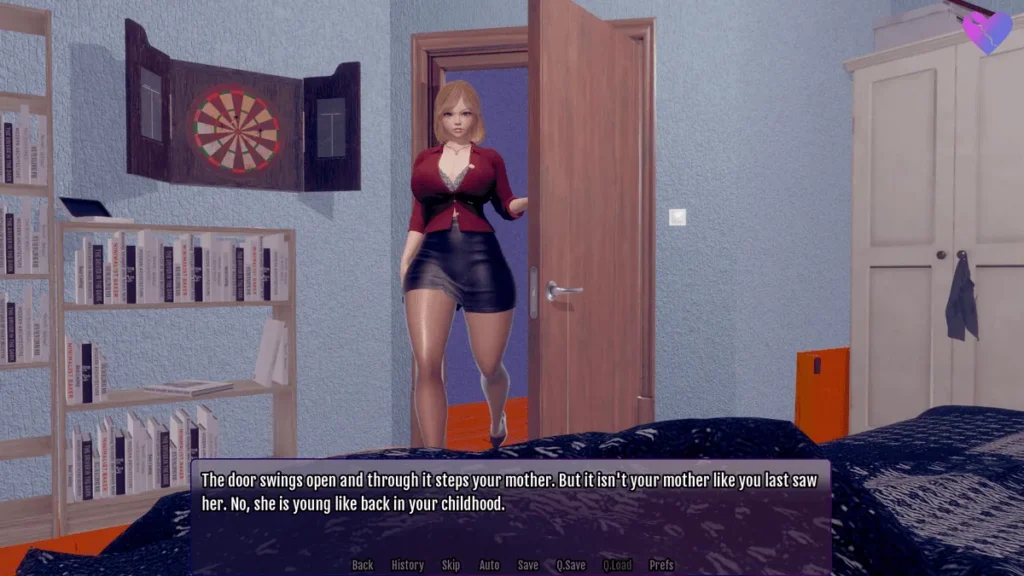
Twisted Memories review
A deep dive into the psychological visual novel that challenges player morality
Twisted Memories stands out as a provocative psychological visual novel that explores complex themes of regret, manipulation, and moral ambiguity. The game follows an unconventional premise: a middle-aged man with a lifetime of failures and resentment mysteriously finds himself transported back into his teenage body, retaining all his adult memories and cynicism. This unique setup creates a narrative experience that blends storytelling with player agency, forcing participants to navigate uncomfortable decisions while inhabiting a fractured psyche. Whether you’re interested in narrative-driven games or exploring how interactive fiction handles dark subject matter, understanding what Twisted Memories offers is essential for informed gameplay.
Understanding the Core Premise and Narrative Framework
What if you could go back? Not with vague nostalgia, but with the brutal, unforgiving clarity of everything you’ve lived through since. That’s the razor’s edge Twisted Memories walks, and it’s a premise that will haunt you long after you close the game. 🕰️ This isn’t a feel-good trip down memory lane; it’s a raw, psychological excavation of regret, power, and the dark corners of a damaged mind. Forget everything you think you know about time travel stories—this is where hope goes to die, and something far more compelling rises in its place.
Let’s peel back the layers of this psychological narrative game and understand the brilliant, unsettling framework that makes it such a standout experience.
The Time Travel Concept and Protagonist Setup
The Twisted Memories premise begins not with a scientific marvel or a magical artifact, but with a life hitting absolute rock bottom. Our protagonist is a man in his forties who has lost everything: no family, no prospects, living in squalor with only his failures for company. He is the embodiment of wasted potential, and the game doesn’t shy away from letting you feel the grime of his existence.
Then, the event happens. It’s never cleanly explained as a “how,” and that’s intentional. One moment, he’s in his broken present; the next, he’s staring at a reflection he hasn’t seen in decades. His consciousness—every memory, scar, regret, and ounce of bitter wisdom—has been violently shoved into the body of his teenage self. This is the core of the time travel visual novel mechanic: a literal adult consciousness teenage body scenario.
But this isn’t Back to the Future. There’s no DeLorean, no happy reunions. The horror and genius lie in the details he remembers. He doesn’t just recall big events; he remembers the small humiliations, the missed opportunities that seemed insignificant then but became the foundations of his ruin. He knows which friendships will sour, which choices will lead to dead ends, and every moment where his younger self’s naivety paved the road to his miserable future.
This creates an immediate and profound internal conflict. He looks like a young man, full of the physical vigor and social possibility of youth. But his mind is a cacophony of middle-aged cynicism, rage, and calculated despair. Every interaction is filtered through this dual lens. A friendly smile from a classmate isn’t just a smile—it’s a reminder of a future betrayal or a missed connection. The mundane halls of his school are a prison he’s already served a life sentence in, and now he’s back for a second term, but this time with the keys. 🔑
The setup rejects the common trope of fixing one’s life for the better. Instead, it asks a far more provocative question: If you knew exactly how you messed up, and you were armed with the cold, manipulative intelligence of your older self, what would you really do? Would you build a better life, or would you simply take a different, perhaps darker, path to power and satisfaction?
Psychological Themes and Character Motivation
At its heart, Twisted Memories is a masterclass in protagonist character motivation driven by deep psychological trauma. This isn’t a hero’s journey; it’s an anti-hero’s meticulously planned coup against his own past. His driving force isn’t altruism or even a pure desire for a “good” life—it’s a potent cocktail of vengeance against fate, a hunger for control he never had, and a selfish need to appease the aching voids within his older self’s psyche.
The game brilliantly explores the concept of a fractured psyche. The protagonist is at war with himself. Part of him is still the vulnerable teenager, susceptible to old emotions and social pressures. The dominant part, however, is the jaded adult who views everyone around him—family, friends, love interests—as pieces on a chessboard he’s already played and lost once. His internal monologues, which are extensive and deeply revealing, are where the game truly shines. You are constantly privy to his justifications, his cruel assessments of others, and his chillingly logical plans to manipulate events for his gain.
“The true horror isn’t the monster under the bed. It’s sitting in geometry class, knowing the exact date your father will walk out, the exact moment your best friend will betray your trust, and feeling the old, familiar powerlessness start to rise in your throat—except now, it’s mixed with something new. Something worse: the cold certainty that you can, and will, do something about it.”
This quote encapsulates the central horror. It’s the agony of foresight paired with a corrupting agency. His motivation becomes about reclaiming autonomy, but the methods available to a bitter adult trapped in a teen’s world are inherently skewed. Why play fair in a game you know is rigged? Why be kind to people you know will eventually hurt you? This rationale fuels his descent and forms the compelling, uncomfortable core of the player’s engagement.
The narrative doesn’t flinch from exploring taboo territories as the ultimate expression of this twisted power reclamation. The hinted-at dark family dynamics are not presented as titillation, but as the extreme endpoint of a man trying to rewrite foundational relationships from a position of perceived dominance, creating one of the most controversially compelling threads in modern gaming. It’s the ultimate “twist” on the past, making the game’s title a devastating understatement.
To understand how these internal traits directly shape your experience, let’s break down the protagonist’s core drivers:
| Character Trait | Influence on Story Progression | Impact on Player Experience |
|---|---|---|
| Jaded & Cynical | Opens unique, often cruel dialogue choices that preemptively attack or dismiss others. Allows the protagonist to see through people’s facades, skipping social puzzles. | Creates a constant tension between social norms and the protagonist’s worldview. You may feel smart yet isolated, powerful yet lonely. |
| Manipulative | Unlocks branching paths based on deception and long-term scheming. Success often depends on leveraging future knowledge to exploit others’ weaknesses. | Transforms interactions into strategic puzzles. You’re not just choosing what to say, but planning several steps ahead, which can feel intellectually satisfying yet morally hollow. |
| Self-Serving | Drives the core gameplay loop: actions are almost always evaluated for personal gain (wealth, influence, pleasure) rather than altruism. Closes off “pure” good endings. | Forces you to engage with the game’s central moral ambiguity visual novel theme. You are constantly complicit, questioning if any “good” outcome is possible from such selfish roots. |
| Introspective | Fuels the extensive internal monologues that justify actions. Provides narrative depth and context, making even dark choices feel psychologically believable. | Deepens immersion and creates a strange empathy. Even when you disapprove of his actions, you understand the twisted logic behind them, making the experience profoundly uncomfortable. |
How the Dual Perspective Shapes Gameplay
The genius of Twisted Memories isn’t just in its story, but in how its dual perspective storytelling is woven directly into the fabric of gameplay. You aren’t just told about the conflict between the adult mind and teenage reality—you live it through every choice and mechanic.
-
The Choice System: Knowledge vs. Instinct: Every dialogue and decision point is a battlefield between two selves. The game often presents you with:
- ❤️ The Emotional/Teenage response (what the body and residual younger self might feel).
- 🧠 The Calculated/Adult response (what the older, bitter consciousness knows is strategically better).
Choosing the emotional path might lead to short-term social acceptance or romance, but it often mirrors the “mistakes” of the original timeline. Choosing the calculated path advances your manipulative goals but alienates others and emotionally hollows out the protagonist further. There is rarely a “correct” choice, only a consequential one that defines what kind of monster, or perhaps what kind of survivor, he is becoming.
-
The Memory Interface: A Tainted Guide: The protagonist’s memory of the future acts as a twisted guidebook. You might get prompts like, “I remember she loans me notes next week,” which you can use to feign interest now for a later advantage. Or, “He starts dating Sarah in November, which ruins his grades,” allowing you to sabotage a rival preemptively. This turns the traditional “hint” system into a tool for manipulation, perfectly marrying narrative and gameplay.
-
Relationship Management as Asymmetric Warfare: Building relationships isn’t about making friends; it’s about cultivating assets and managing threats. Because you know how people will behave, you can approach them with chilling efficiency. You might befriend someone solely because you know they’ll inherit money, or sabotage another to remove a future obstacle. This dual perspective—the surface-level social sim and the underlying strategic layer—makes every interaction deeply engaging and morally complex.
-
The Ultimate Expression of Control: This fractured perspective culminates in the game’s most daring narrative branches, particularly those involving the family dynamic. From the adult consciousness’s warped viewpoint, reshaping these foundational bonds is the ultimate act of reclaiming power over a life that felt controlled by others. The gameplay here forces you to engage with these uncomfortable power dynamics, making you an active participant in the corruption of the past rather than a passive observer.
This psychological narrative game succeeds because it never lets you off the hook. The dual perspective storytelling ensures you are always aware of the cost, the calculation, and the human damage behind every victory. It’s a moral ambiguity visual novel that refuses to provide easy answers or redemptive arcs, instead offering a haunting, immersive plunge into a mind that uses the second chance we’ve all dreamed of not for healing, but for a very personal, very dark form of justice. 😶🌫️
In the end, Twisted Memories uses its brilliant premise to hold up a mirror, asking not “What would you change?” but “Who would you become if you could?” The answer it explores is as compelling as it is terrifying.
Twisted Memories presents a distinctive experience within the visual novel genre by combining psychological depth with adult-oriented content. The game’s core strength lies in its willingness to explore uncomfortable themes through a protagonist whose fractured psyche drives every interaction. Rather than offering escapist fantasy, it challenges players to confront moral ambiguity through meaningful choices that shape relationship dynamics and story progression. The slow-paced narrative, extensive internal monologues, and decision-based gameplay create an experience that prioritizes psychological immersion over quick action. Whether you’re drawn to narrative-driven games, interested in how interactive fiction handles taboo subjects, or simply curious about unconventional storytelling approaches, Twisted Memories offers substantial content to explore. The game continues to receive updates that expand its scenes, dialogue, and animations, indicating ongoing development. If you’re considering diving into this experience, approach it with an open mind about its dark themes and be prepared to sit with uncomfortable decisions—that’s precisely where the game’s narrative power resides.